Last updated November 22, 2026
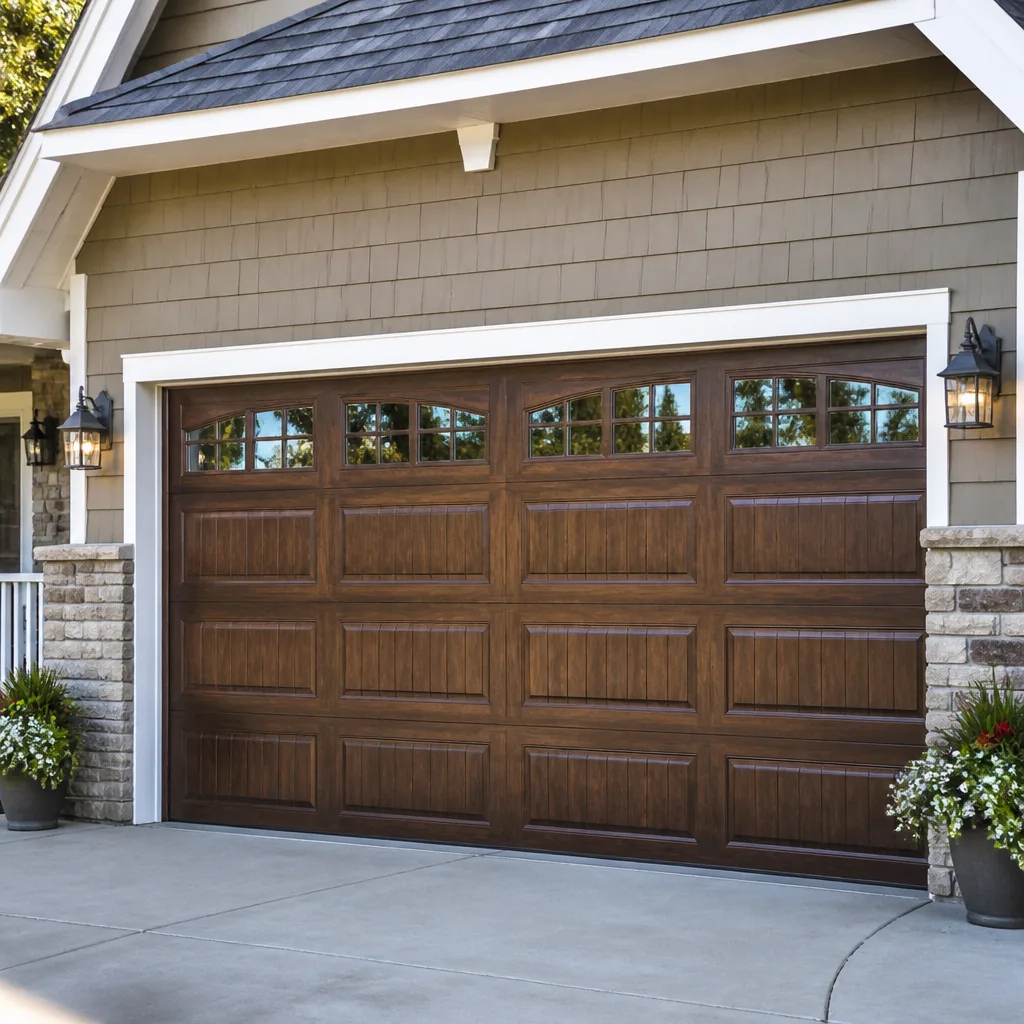
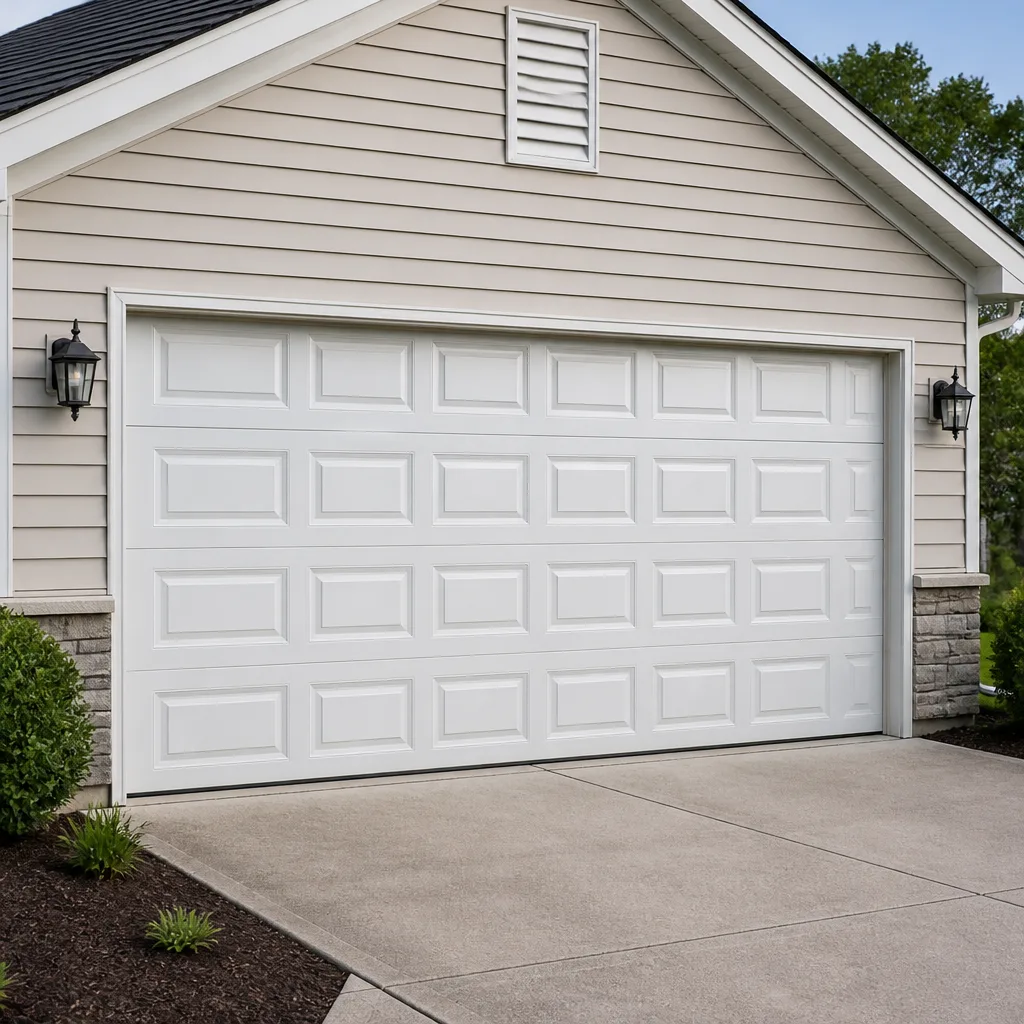 Raised-panel steel
 Carriage house
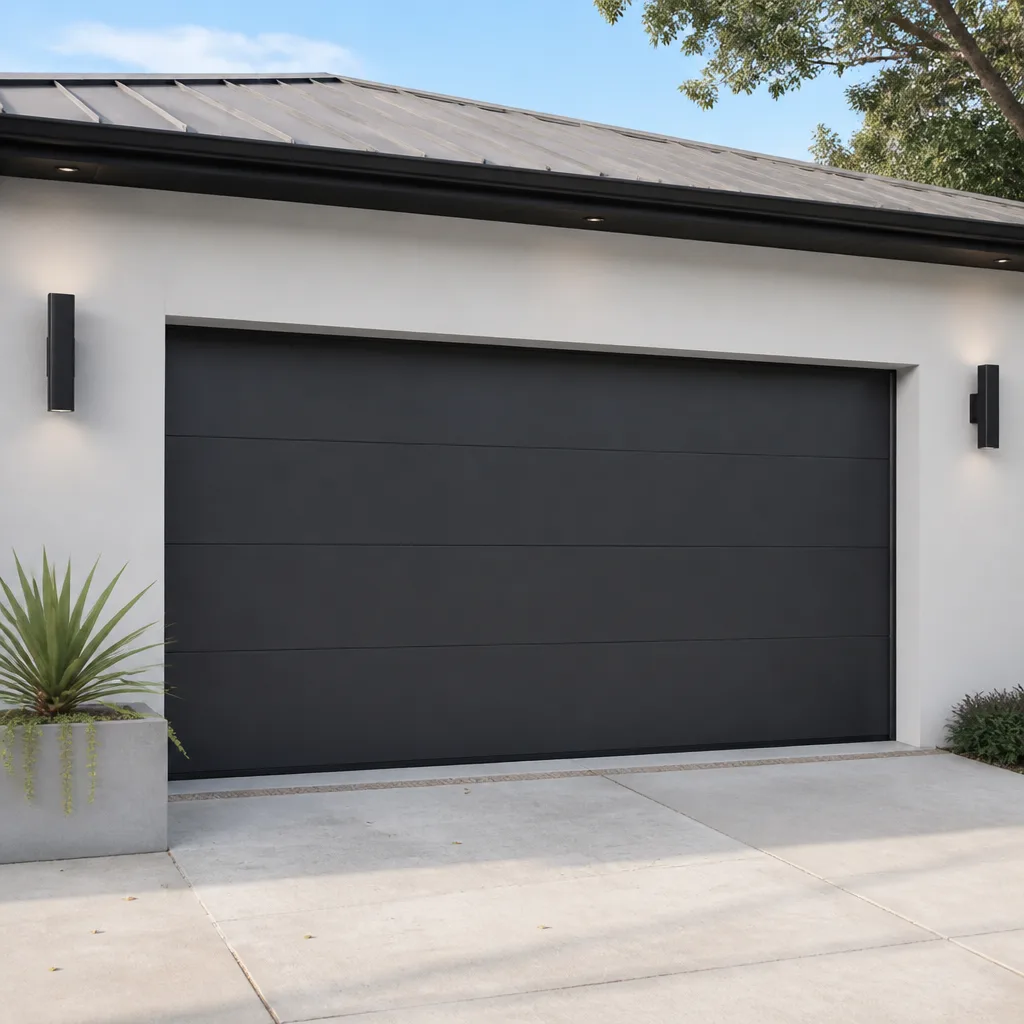 Modern flush
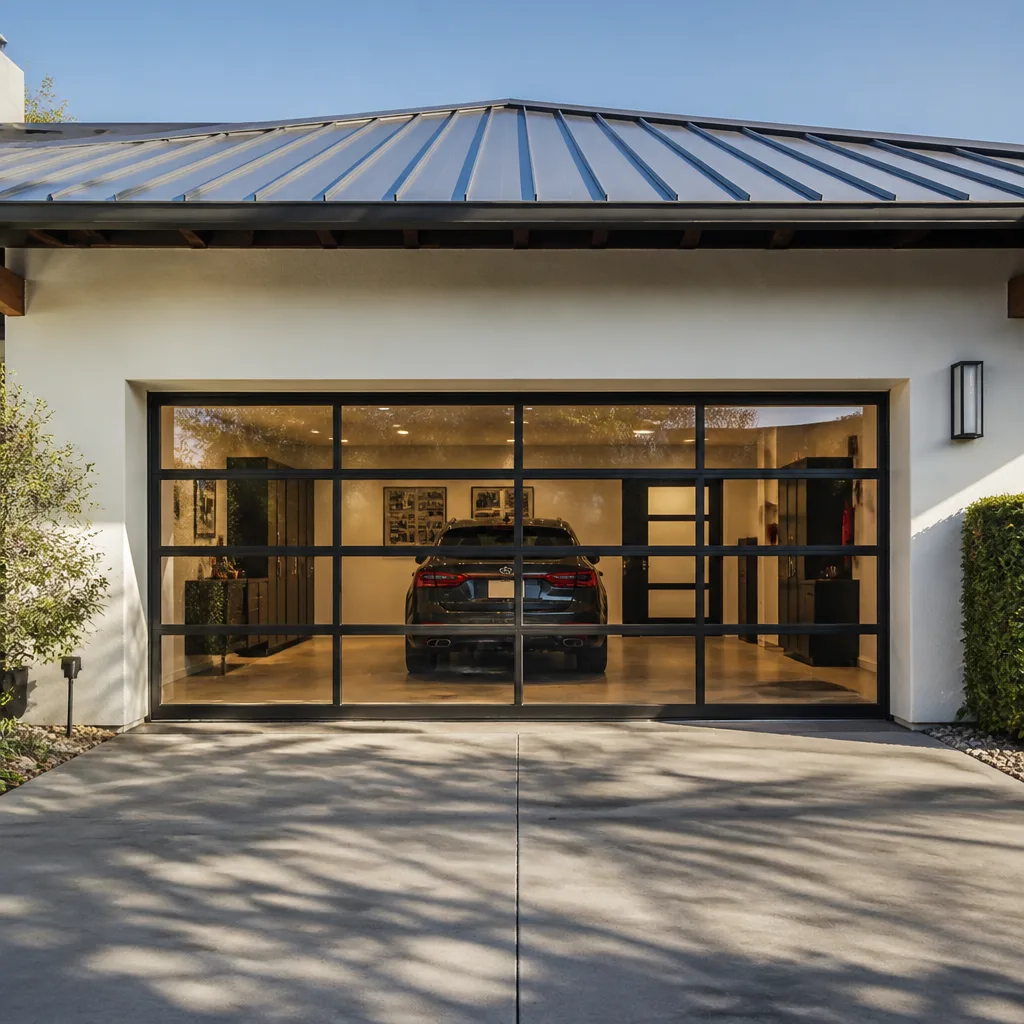 Full-view glass
 LiftMaster openers
 Chamberlain openers
Full 25-point door and opener safety check with every visit - springs, cables, rollers, tracks, and your LiftMaster or Chamberlain opener included
You get a price before we start. It does not change when the pro arrives.
Get your free estimateSeasonal Garage Door Care for Cherry Creek: Year-Round Homeowner’s Guide
Most people assume garage doors fail in the dead of winter. In our experience around Cherry Creek, that’s not how it usually plays out. The calls tend to pile up in March, after three months of freeze-thaw cycling has quietly worked over springs, seals, and rollers, and a warm afternoon finally pushes tired hardware past its limit. Cherry Creek doesn’t follow the standard four-season script anyway. It hands out roughly 300 days of sun, throws 40-degree temperature swings into a single shoulder-season day, and sends spring windstorms that shove grit and debris into tracks. This guide organizes garage door care around those climate realities instead of generic calendar quarters, so you can spot problems before they strand your car.
Quick Answer
Seasonal garage door care in Cherry Creek means checking the bottom seal and spring tension before the hard freezes of winter, inspecting tracks and panels after wind and hail events in spring, watching rubber seals and painted steel for UV damage through the summer, and timing lubrication and hardware checks to the first freeze window in late October. The goal is to catch wear before it becomes a breakdown, and to know when a sluggish door is a hardware problem versus an opener setting.
Styles & brands we work with
- Raised-panel steel
- Carriage house
- Modern flush
- Full-view glass
- LiftMaster openers
- Chamberlain openers
Table of Contents
- Why Cherry Creek Climate Breaks the Standard Seasonal Playbook
- Pre-Winter Prep: The Hardware Most Vulnerable to Dry Cold
- Spring: Windstorms, Hail, and Tracks Full of Debris
- Summer: UV, Heat, and What They Do to Seals and Steel
- Fall: A Checklist Timed to the First Freeze Window
- Is It Hardware or an Opener Setting? Diagnosing Sluggish Operation
- A Simple Monthly Walk-Around
- Common Mistakes to Avoid
Why Cherry Creek Climate Breaks the Standard Seasonal Playbook
The usual garage door maintenance advice was written for places with humid summers, mild winters, and long stretches of stable weather. Cherry Creek isn’t that. The combination of high-altitude sun, dry air, and sharp temperature swings puts a different kind of stress on a door than humidity or heavy snowfall does. Rubber dries and cracks rather than rotting. Metal expands and contracts through big daily swings. Lubricant turns gummy faster when it isn’t protected from grit.
Here’s what actually happens to the components over a year in Cherry Creek:
- Bottom seals dry out and lose flexibility from sun exposure, then crack when they hit cold. A stiff seal lets in wind, dust, and the occasional small pest.
- Torsion springs cycle through tension changes as temperatures swing. A 40-degree spread in one day means the metal is expanding and contracting constantly, which is where fatigue starts.
- Rollers and hinges collect windblown grit from spring storms. Grit plus old lubricant turns into a grinding paste that wears metal.
- Painted steel panels take UV that fades and chalks the finish over years, and dents from hail are easier to spot in flat morning light.
- Openers work harder when a door’s mechanical resistance rises with the cold, and that extra load shows up as strain on the motor and chain or belt.
The practical takeaway for anyone in Cherry Creek: maintenance here is less about preparing for one brutal season and more about managing constant small movement. Small checks done often beat one big tune-up once a year.
Pre-Winter Prep: The Hardware Most Vulnerable to Dry Cold
Cherry Creek winters are dry and cold, not wet and cold. That changes what fails. Ice dams and rust are less of a worry than rubber that’s already lost its oils and a lubricant that thickens when the temperature drops. Pre-winter prep is about sealing out the cold and keeping moving parts moving.
- Inspect the bottom seal compound. Run your hand along the rubber and look for cracks, a hard texture, or gaps at the floor. A seal that’s stiff in October will be brittle by January. If it’s cracked or won’t sit flat against the concrete, it needs replacing before the cold sets in.
- Check lubricant viscosity. Old lubricant that felt fine in summer can turn tacky in the cold. Clean the tracks with a rag (don’t pour solvent down them) and apply a lubricant made for cold weather. A dry silicone spray on hinges and rollers holds up better than grease that collects grit.
- Have torsion spring tension assessed. This is the one job you shouldn’t do yourself. Torsion springs store serious energy, and a spring under load can cause severe injury if it lets go while someone is adjusting it. Trained technicians check tension by feel and by how the door balances. If your door has gotten heavy to lift by hand or slams down, that’s a sign to have it looked at before winter.
- Test the balance and the safety reverse. Disconnect the opener and lift the door halfway by hand. It should stay put. If it drifts down, springs or cables need attention. Then reconnect and test that the door reverses when it meets an object.
- Check weatherstripping around the frame. The trim seals at the sides and top take the same dry-cold punishment as the bottom seal.
Get this done before the first hard freeze and you’ll head into winter with hardware that isn’t fighting the cold. If you’d rather hand the whole checklist to a specialist, our garage door repair service covers inspection and adjustment in one visit.
Spring: Windstorms, Hail, and Tracks Full of Debris
Front Range spring weather is the season that generates the most repair calls we handle around Cherry Creek. Wind gusts push grit, leaves, and small branches against doors and into tracks. Hail shows up, sometimes in the same week as a warm, calm afternoon. The work in spring is inspection-driven: find the damage early and fix the small stuff before it turns into a track out of alignment or a panel that won’t seal.
After any significant wind or hail event, walk out and check these:
- Track alignment. Look down each vertical and horizontal track from a low angle. A track that’s been knocked out of line will make the door drag or bind. Even a small dent in a track causes rollers to jump and wear.
- Panel dents. Hail leaves shallow dents that can break the paint and let moisture start working on the steel. Check the top and bottom panels where impact is most likely. Dents don’t always need replacing, but a cracked finish should be touched up.
- Debris in the tracks. Grit and leaves collected in the tracks act like sandpaper. Sweep them out and wipe the track surface clean.
- Roller condition. After a gritty spring, worn or flat-spotted rollers show up as a door that rumbles. Nylon rollers hold up better than steel in a dusty environment.
- Hinge screws. Wind vibration loosens hinge and bracket screws over time. A quick tighten with the right driver saves bigger problems.
Spring is also the best time to spot a panel that’s sealing poorly, because you’re not fighting snow to see the gap. If a track is badly bent or a panel is cracked through, that’s beyond a homeowner adjustment. Our garage door repair team can get it back into alignment or replace the part.
Summer: UV, Heat, and What They Do to Seals and Steel
Cherry Creek’s high-altitude sun is the summer story. With roughly 300 sun days a year, rubber and painted steel take a UV beating that’s easy to underestimate. The damage is gradual, which is exactly why a once-a-season look matters.
What to watch in summer:
- Bottom and side seals. UV breaks down the oils in rubber, so seals dry, crack, and lose their seal against the floor. A brittle seal lets in heat and dust. Check it by pressing a thumbnail in; if it doesn’t spring back, it’s time to replace it.
- Painted steel panels. Fading and chalking are cosmetic, but a finish that’s worn thin lets UV attack the steel underneath. A wash and a coat of appropriate wax or paint helps on older doors.
- Heat and metal expansion. Panels and tracks expand in heat. A door that ran smooth in spring can start sticking in July if clearances are tight. That’s often a track adjustment rather than a hardware failure.
- Opener strain. A door with rising mechanical resistance makes the opener work harder. Listen for a motor that sounds labored or a chain that slaps.
Summer is also a good moment to check window panels on doors that have them. UV can cloud plastic glazing and crack the seals around it. If your door uses LiftMaster or Chamberlain openers, giving the safety sensors a wipe in summer keeps them from false-triggering on bright, hot days.
Fall: A Checklist Timed to the First Freeze Window
Cherry Creek’s first freeze typically lands in late October. Fall prep should be done before that window, not after the first cold snap catches you with a stuck door. This is the season to get the door in shape for freeze-thaw cycling, because the swings between warm afternoons and freezing nights are what start the wear cycle that shows up in March.
- Lubricate moving parts. Hinges, rollers, and the opener’s chain or belt. Use a cold-weather-friendly lubricant. Wipe off excess so it doesn’t collect grit through the freeze-thaw season.
- Service the bottom seal one more time. Check it against the floor and replace it if there are gaps. A good seal keeps cold air out and reduces the load on the opener.
- Have springs inspected. This is the time to have a trained technician check torsion spring tension and the condition of the cables. Do not try to adjust torsion springs yourself; they’re under high tension and can release violently. Leave that to someone trained for it.
- Test the safety reverse and the force settings. If the door needs to push hard to close, the opener may be compensating for a mechanical problem. That’s worth checking before winter.
- Clean and re-check the tracks. A clean track is less likely to freeze up on a wet, cold night.
- Look for condensation or drafts. A door that leaks air in fall will leak badly in winter, driving up heating cost and letting cold into the garage.
If you’re not comfortable climbing on a ladder or dealing with springs, this is the checklist to hand off. Our garage door opener repair and inspection service covers the opener side, and the mechanical side goes to a trained technician.
Is It Hardware or an Opener Setting? Diagnosing Sluggish Operation
A door that runs slowly or feels heavy isn’t always a broken part. Sometimes it’s an opener setting, and sometimes it’s the door itself. Getting this wrong leads to unnecessary service calls, or worse, ignoring a real hardware problem. Here’s how to tell the difference.
Signs it’s likely hardware:
- The door is heavy when you lift it by hand with the opener disconnected.
- The door drifts down or won’t hold position when released halfway.
- You hear grinding, scraping, or popping from the tracks, hinges, or springs.
- The door binds or sticks at one point in its travel.
- The door has started sitting crooked or one side lags behind.
Signs it’s likely an opener setting:
- The door moves freely by hand but the opener runs it slowly.
- The limit settings are off, so the door stops short or reverses at the end.
- The safety sensors are out of line or dirty, causing the door to reverse.
- The force setting is too low and the opener thinks the door is obstructed.
- The remote or wall control doesn’t respond but the motor is fine.
The hand test is the key. Disconnect the opener and lift the door yourself. If it’s smooth and balanced, the problem is likely in the opener and its settings – a job for our garage door opener repair service. If the door is heavy or binding, the mechanical side needs inspection, and that includes springs and cables, which are dangerous to handle without training. If you’re running a Craftsman or Raynor opener and the door is sluggish, note whether the door feels different by hand before you call. It shortens the diagnostic and saves you a service trip.
A Simple Monthly Walk-Around
A five-minute check once a month catches most of what fails seasonally in Cherry Creek. You don’t need tools for most of it.
- Listen. Run the door up and down and listen for changes in sound. Grinding, rattling, or a labored motor are early warnings.
- Watch the travel. Does the door move evenly, or does one side lag? A crooked door points to a spring or track issue.
- Check the bottom seal against the floor. Look for daylight or gaps.
- Look in the tracks. Sweep out grit and debris.
- Test the safety reverse. Put a small object in the door’s path and confirm it reverses.
- Look at the panels. New dents, cracks, or fading are worth noting.
It’s the kind of routine that fits into a weekend morning and keeps a door from failing at a bad moment. When you spot something you can’t fix safely, we’re a call away.
Common Mistakes to Avoid
- Ignoring the spring because “it still works.” A torsion spring that’s lost tension still lifts the door on the opener, which is why people don’t notice until it fails. Balance testing by hand every season catches it early, and a trained technician should make any adjustment.
- Using the wrong lubricant. Grease that’s fine in summer can turn tacky in a Cherry Creek cold snap and collect grit. Use a cold-weather lubricant, and keep it off the tracks themselves.
- Skipping the post-storm track check. After a spring windstorm, a track can be knocked out of alignment without obvious damage. A quick look down the track catches it before it wears rollers.
- Blaming the opener for a hardware problem. Sluggish operation is often mechanical. Do the hand test before you assume the opener is at fault, or you’ll pay for a repair you don’t need.
- Letting a dried-out seal go. Cherry Creek’s sun dries rubber fast. A cracked seal lets in cold, dust, and pests, and it’s a cheap fix compared to the damage it protects against.
- Attempting spring or cable work alone. Torsion springs and cables are under high tension. This is one of the most commonly botched DIY jobs in the trade, and it carries real injury risk. Leave it to trained technicians.
- Waiting for a breakdown. A door that’s been through three months of freeze-thaw cycling has already told you it needs attention. Seasonal maintenance is cheaper than an emergency repair.
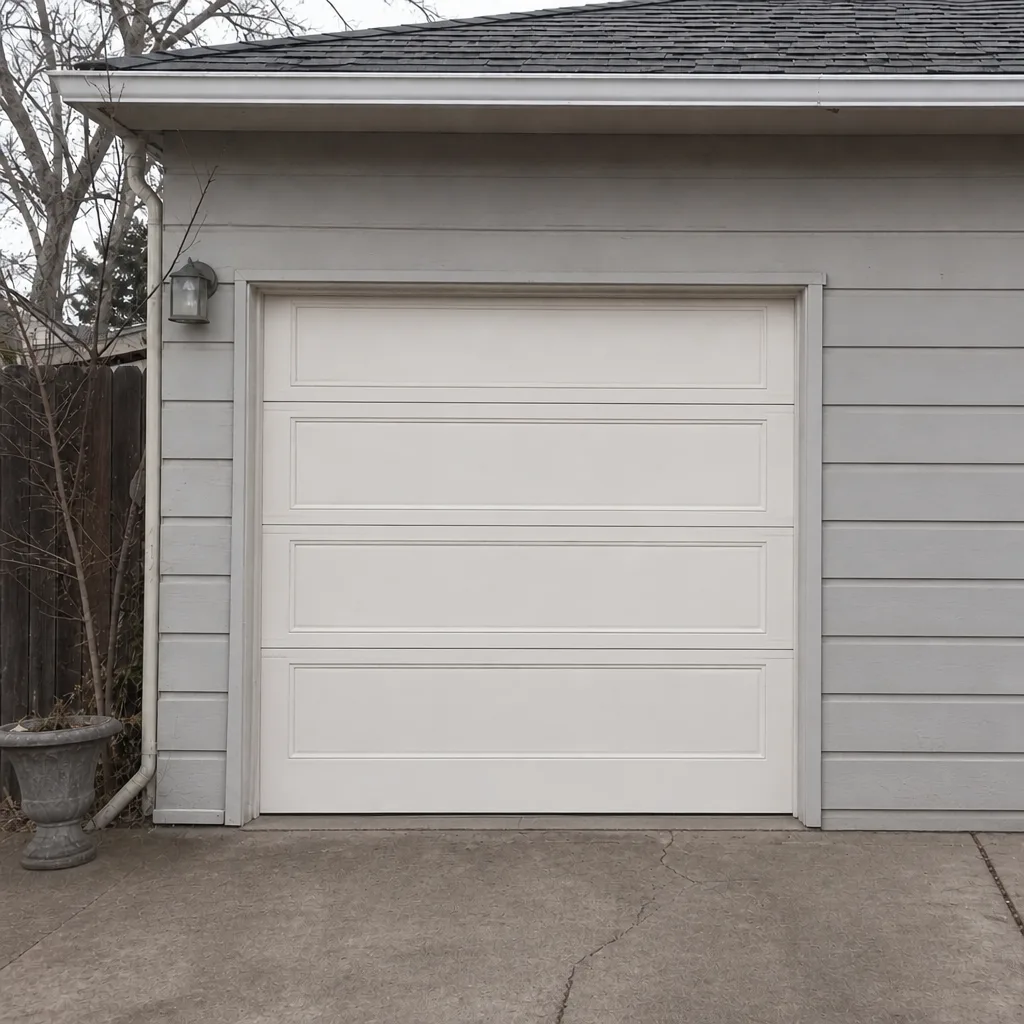
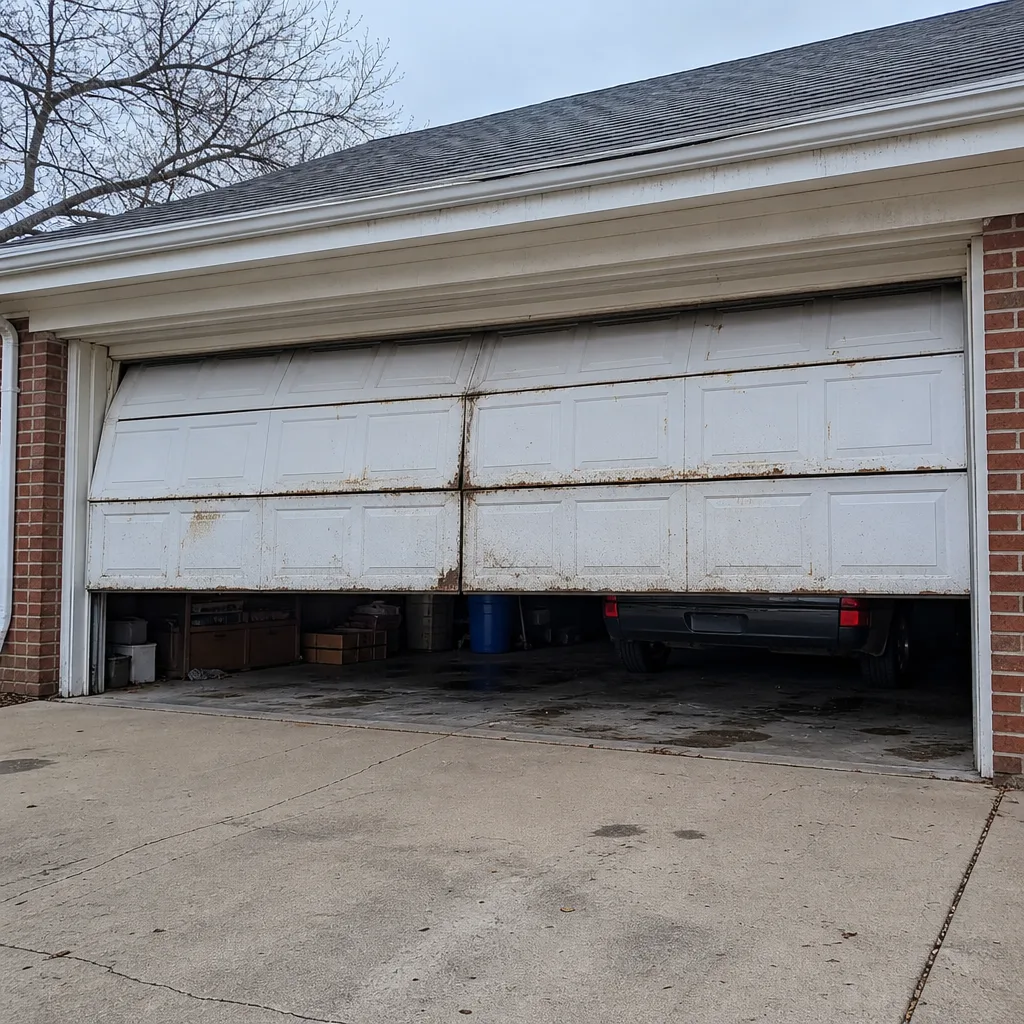
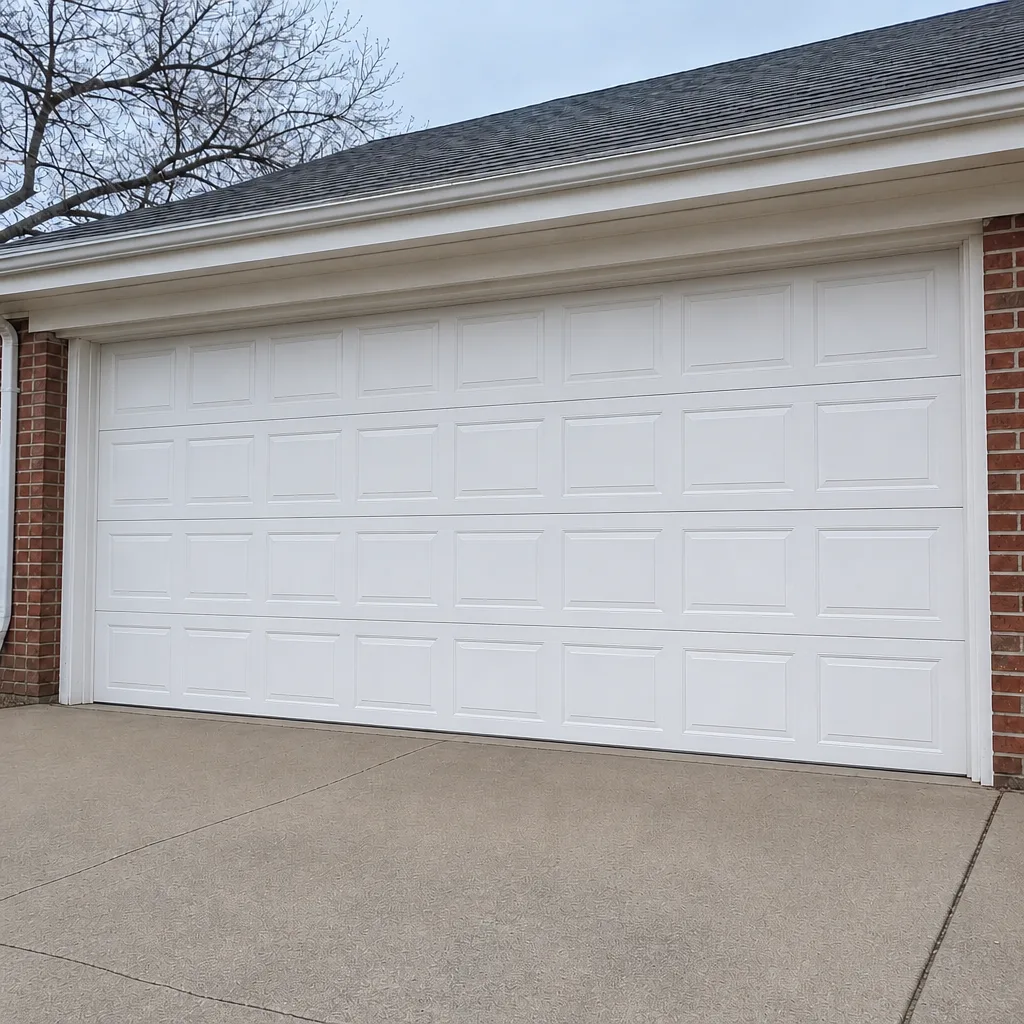
See the difference
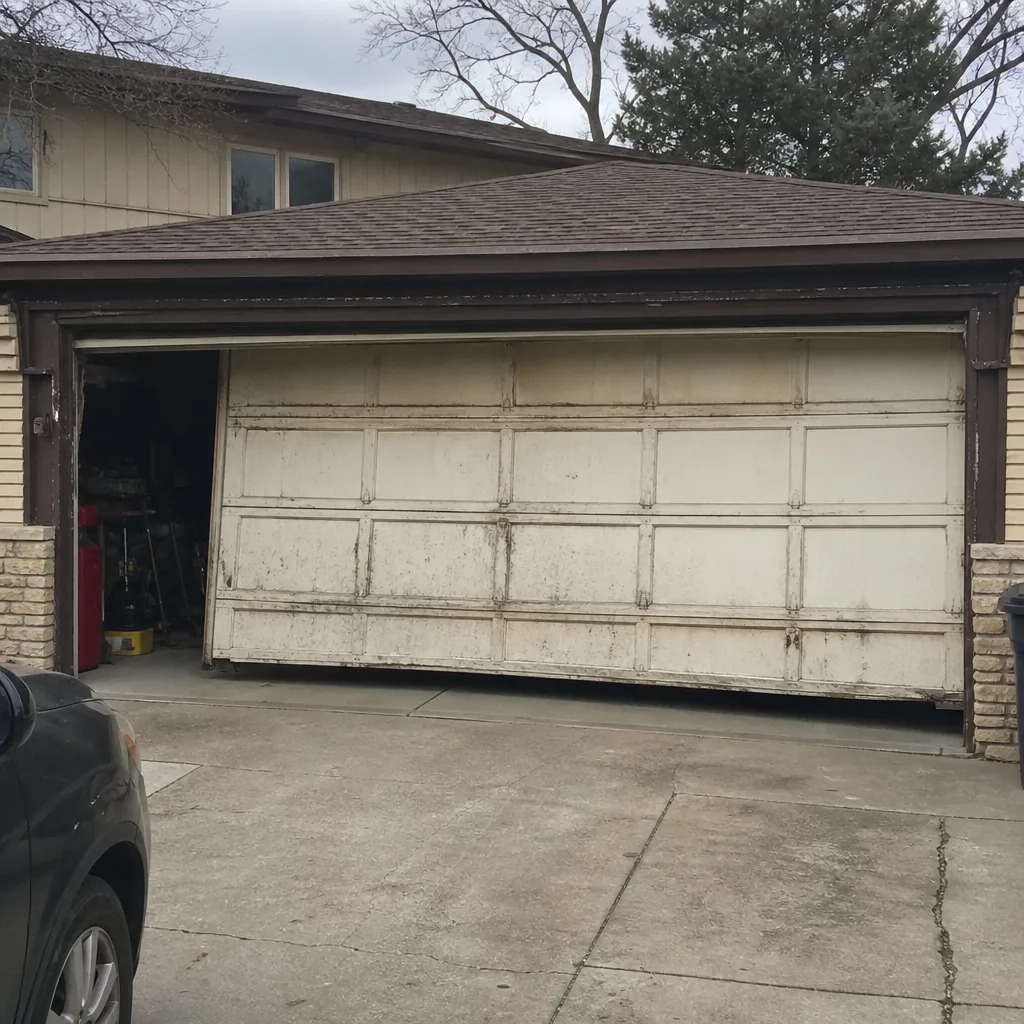 Before
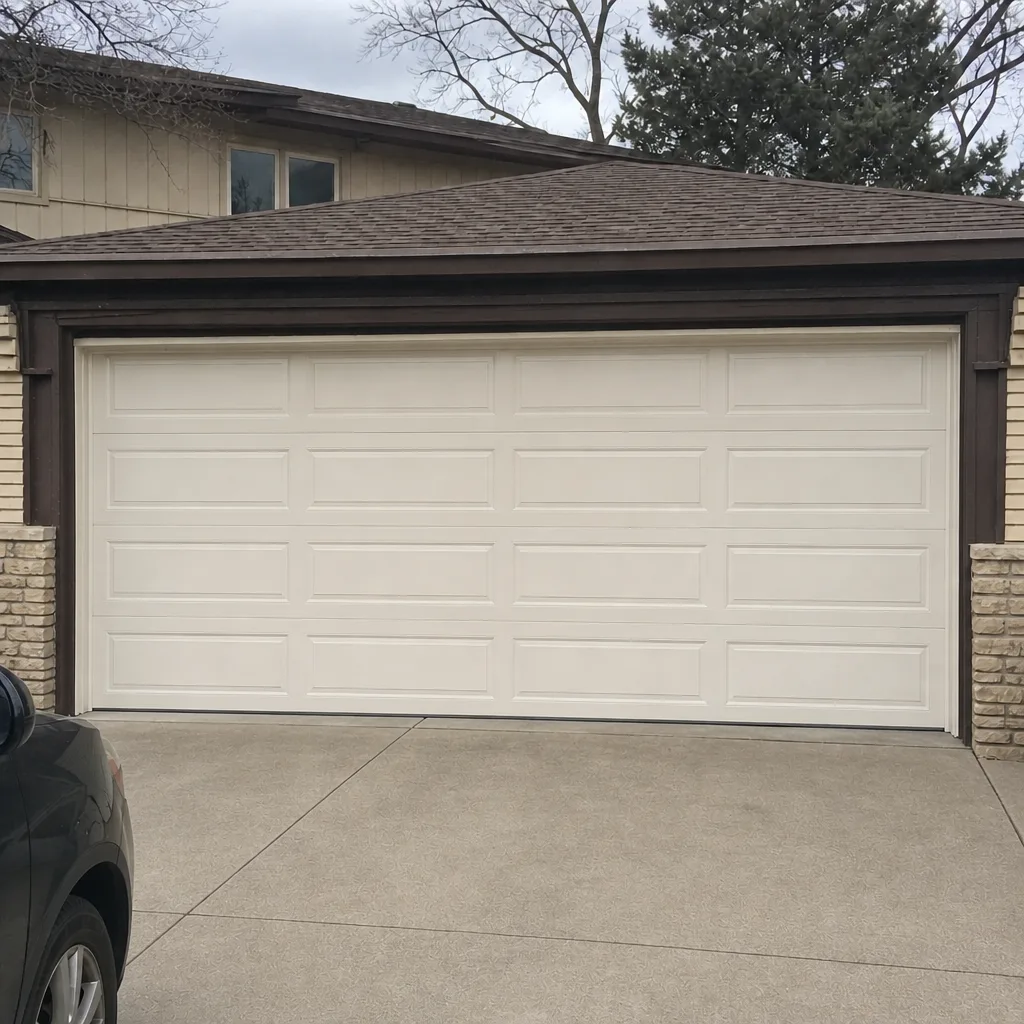 After
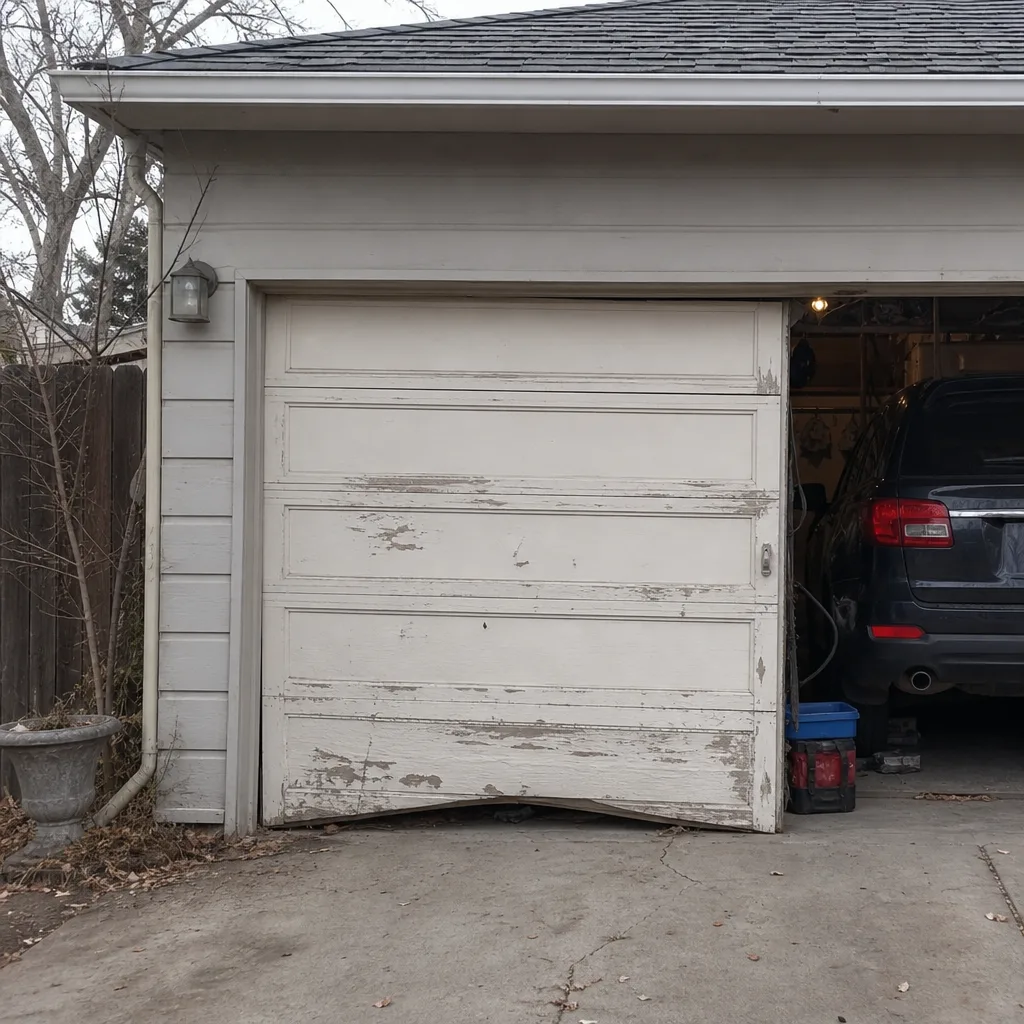 Before
 After
 Before
 After
When to Call a Professional
Some jobs belong on your weekend list. Others need a trained technician. Call us when a torsion spring loses tension or breaks, when the door binds or sits crooked, when a track is bent after a storm, when the opener won’t respond or keeps reversing, or when a panel is cracked through. Call us if the door is heavy by hand, if the cables look frayed, or if you’ve hit the limit of what you can safely adjust. Springs and cables are the highest-risk parts on the door and should never be handled without training. Garage Door Repair Cherry Creek offers free estimates in Cherry Creek – call (844) 621-5482. Our technicians have up to 12 years of experience and are trained on eight major brands, so we know your system before we arrive.
Frequently Asked Questions
Plan on a light check every season and a professional inspection once a year, timed to the late-October freeze window. Cherry Creek’s temperature swings and sun exposure wear hardware faster than a mild climate would, so seasonal checks catch problems earlier. If the door gets heavy, binds, or a spring looks worn, don’t wait for the yearly visit.
March failures come from accumulated freeze-thaw wear over the winter, not from the cold itself. Three months of expanding and contracting takes a toll on springs, seals, and rollers, and the first sustained warm weather pushes tired hardware past its limit. Pre-winter prep and a spring check reduce the risk of a March breakdown.
Yes, for hinges, rollers, and the opener’s chain or belt. Use a cold-weather lubricant and wipe off excess. Don’t use grease on the tracks; a dry silicone spray is better there. Do not adjust torsion springs or cables yourself, since they’re under high tension and can injure you.
Disconnect the opener and lift the door by hand. If it moves smoothly and stays balanced halfway up, the problem is likely in the opener and its settings. If it’s heavy or binds, the mechanical side needs a look. That single test saves a lot of unnecessary service calls.
Look down the tracks for alignment, check the panels for new dents or cracked paint, and sweep debris out of the tracks. Run the door and listen for new sounds. If a track is bent or the door binds, call a technician; don’t try to straighten a track yourself.
A good rubber bottom seal is the standard, but in Cherry Creek’s sun a seal dries and cracks faster, so check it every season. Replace it when it’s stiff or doesn’t sit flat against the floor. That keeps out cold, dust, and pests, and it eases the load on the opener.
Modern LiftMaster and Chamberlain openers handle temperature swings reasonably well, but any opener works harder when the door’s mechanical resistance rises. Regular lubrication and seal checks keep the load off the motor. If the opener is the problem, our garage door opener repair service will sort it out.
What if I’m replacing the whole door, not just repairing it?
Seasonal maintenance still applies to a new door. When you’re ready for a replacement, we’ll measure, help you choose, and give you a written price before any work starts. Our garage door installation service covers the full job, and the same seasonal checks carry over.
The Bottom Line
Cherry Creek’s climate doesn’t hand you a simple four-season routine. It gives you sun that dries seals, temperature swings that fatigue springs, and windstorms that push debris into tracks. The fix is steady attention: check the bottom seal and spring tension before the hard freezes, inspect tracks and panels after wind and hail in spring, watch UV effects on seals and steel in summer, and run the full checklist before the first freeze in late October. And remember that a sluggish door is often hardware, not the opener, so test it by hand before you call.
When you’d rather hand it off, call Garage Door Repair Cherry Creek at (844) 621-5482 for a free estimate. We handle springs, openers, panels, parts, and full installs, work on eight major brands, and quote the price before any work starts. garage door repair done right the first time is what a Cherry Creek homeowner should expect.
Written by the team at Garage Door Repair Cherry Creek.