Last updated November 22, 2026
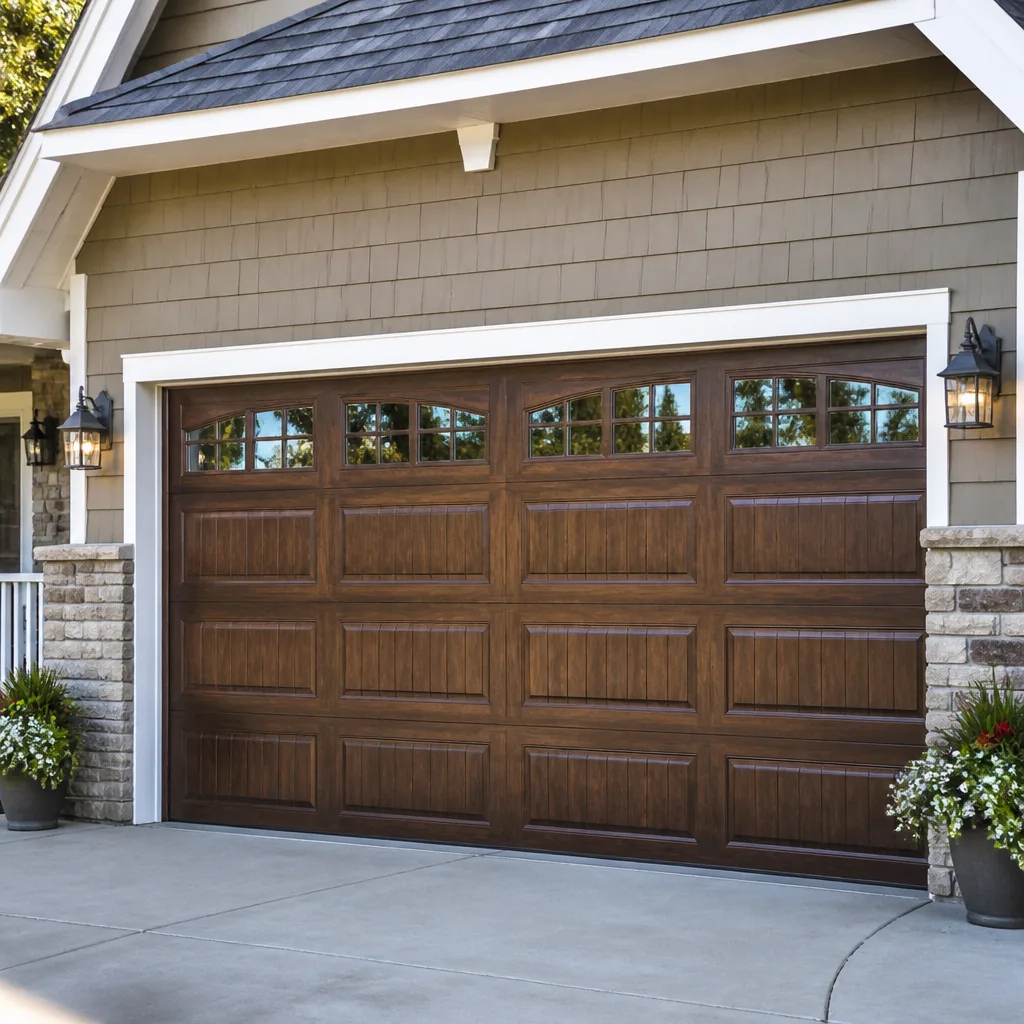
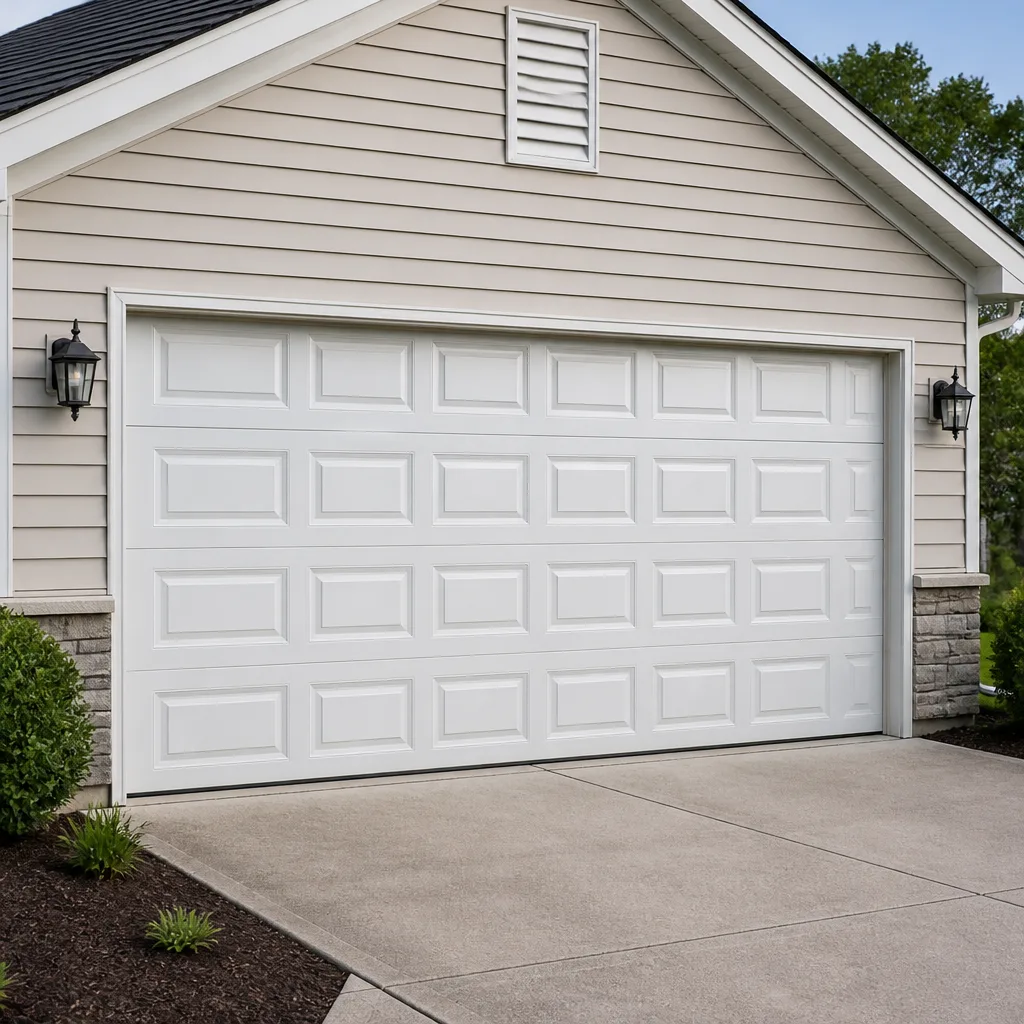 Raised-panel steel
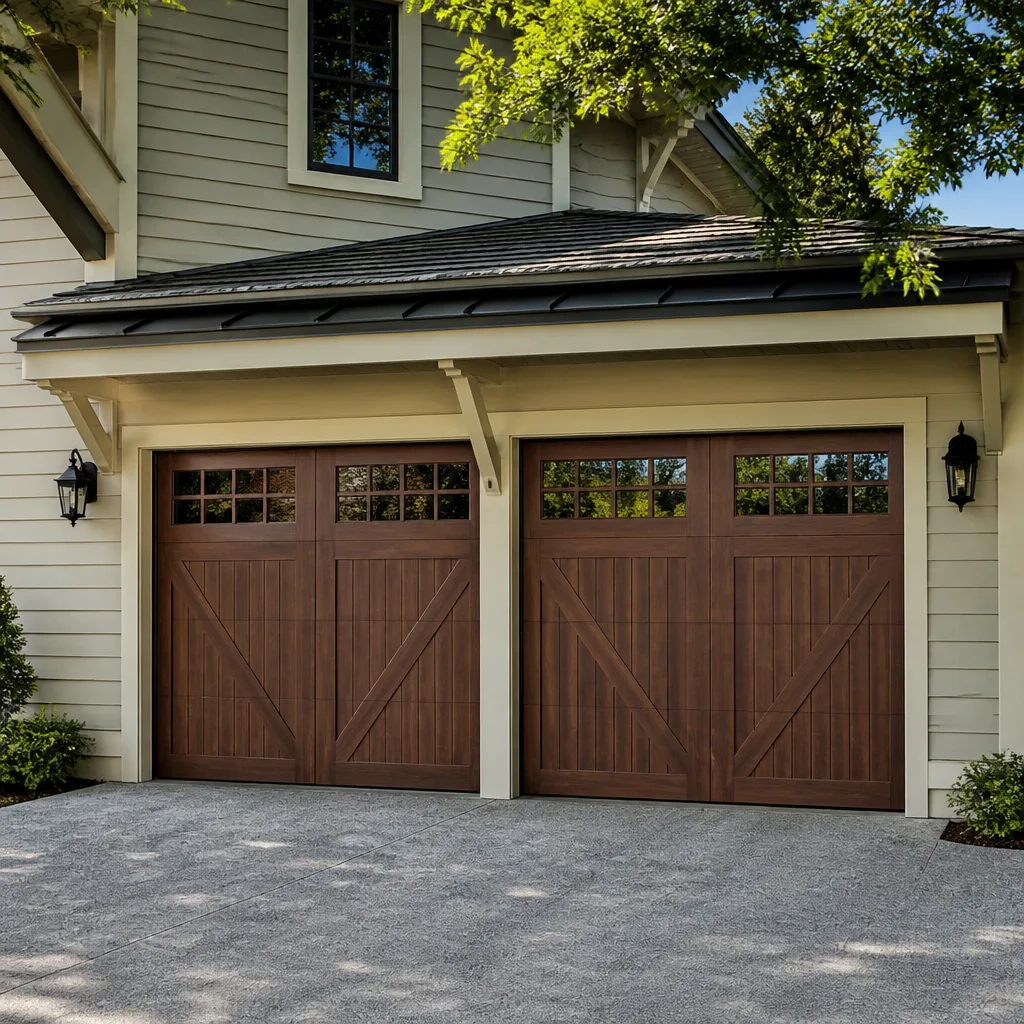 Carriage house
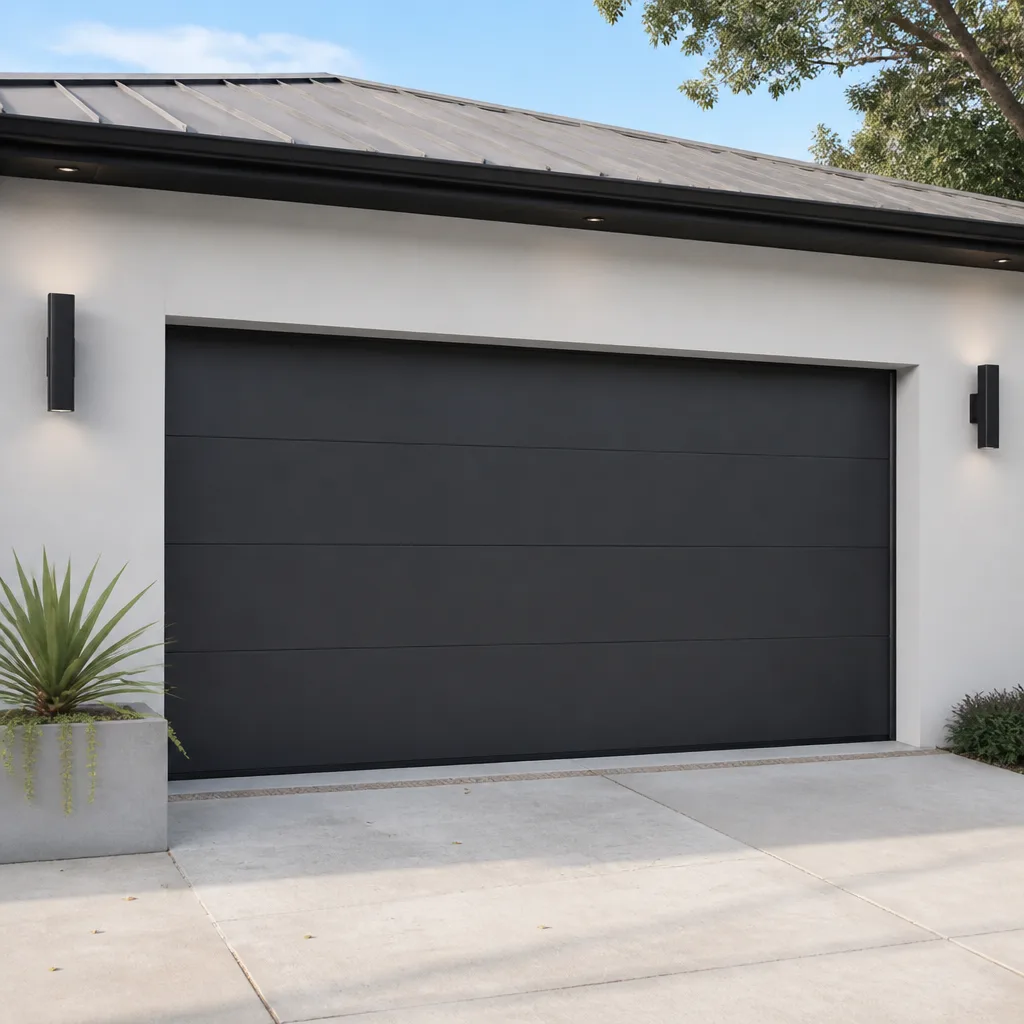 Modern flush
 Full-view glass
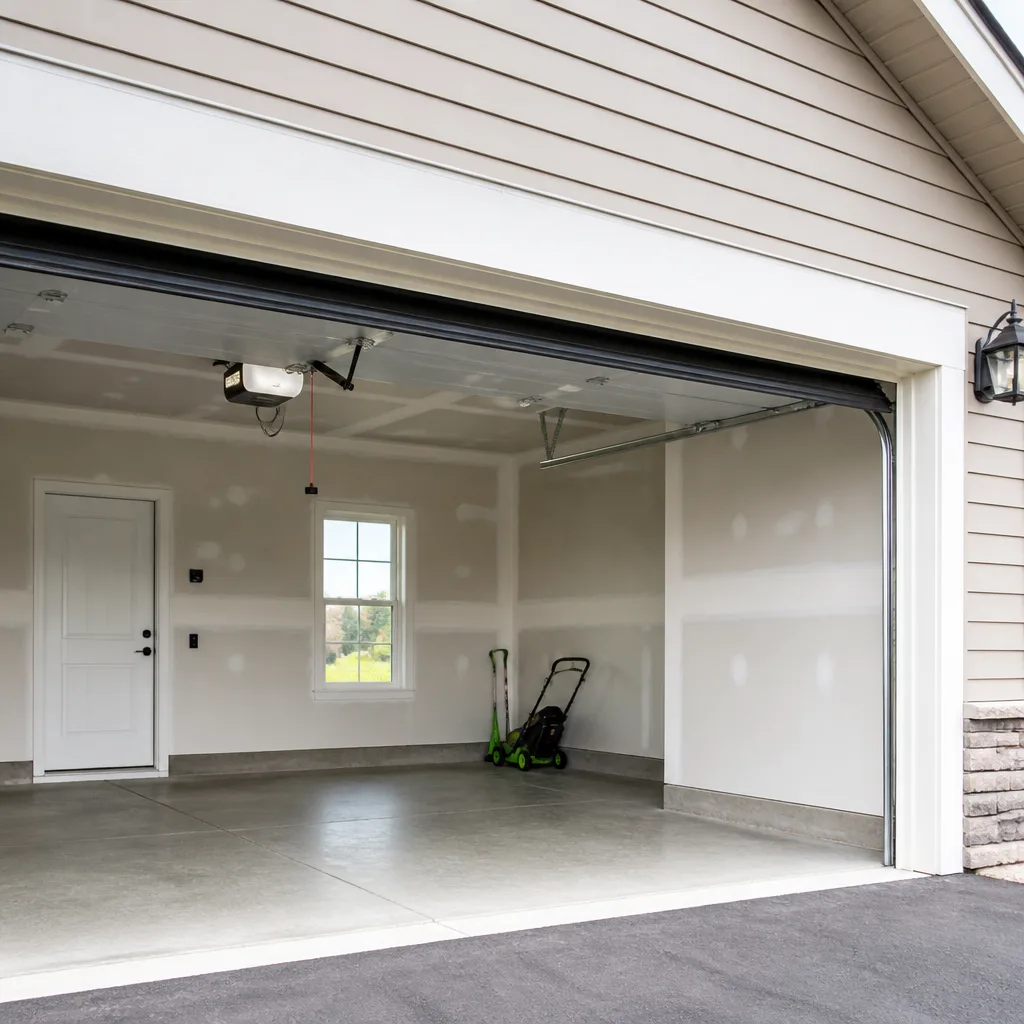 LiftMaster openers
 Chamberlain openers
Full 25-point door and opener safety check with every visit - springs, cables, rollers, tracks, and your LiftMaster or Chamberlain opener included
You get a price before we start. It does not change when the pro arrives.
Get your free estimateGarage Door Emergency Preparedness Guide for Cherry Creek Homes
Most garage door emergencies in Cherry Creek aren’t actually door problems. They’re information problems. A Front Range winter storm knocks out power, someone grabs the emergency release cord and yanks it, and suddenly a door with a broken torsion spring is crashing down under its own weight. The storm didn’t cause that damage; the missing five minutes of knowledge did. This guide walks you through the two very different kinds of garage door emergency Cherry Creek homes face – mechanical failures that strand a vehicle, and power outages that make a working opener useless – and gives you the exact steps, checks and phone-call script to handle both. Read it once now, before you need it, and you’ll turn a four-hour ordeal into a twenty-minute fix.
Quick Answer
A garage door emergency in Cherry Creek usually falls into one of two categories: a mechanical failure (broken spring, snapped cable, off-track door, dead opener) or a power outage that leaves a healthy door stuck. If you suspect a spring or cable failure, do not pull the emergency release cord – the door can drop and cause serious injury, so call a trained technician. If the door and springs are intact, the manual release is safe to use, and you can open and close the door by hand until power returns. Knowing which situation you’re in before you act is the whole game.
Styles & brands we work with
- Raised-panel steel
- Carriage house
- Modern flush
- Full-view glass
- LiftMaster openers
- Chamberlain openers
Table of Contents
- The Two Kinds of Garage Door Emergency in Cherry Creek
- How to Use the Emergency Release Cord Safely – By Opener Brand
- Operating Your Garage Door by Hand During an Extended Outage
- Temporary Fixes for a Door That Won’t Seal or Has a Bent Panel
- What to Tell a Dispatcher So the Right Technician Arrives
- Your Pre-Emergency Checklist: Three Things to Locate and Test Now
- When It’s Time to Stop and Call
The Two Kinds of Garage Door Emergency in Cherry Creek
Cherry Creek sits on the western edge of the Front Range, and that geography shapes the door problems homeowners here deal with. Winter storms roll in fast, drop wet heavy snow on the flat expanses south and east of the metro, then leave behind the freeze-thaw cycles that work hardware loose over a season. Add the wind that funnels through the foothills and you get a climate that’s genuinely tough on garage doors. In our experience, the calls that come in during and after a Front Range storm split cleanly in two, and mixing them up is where people get hurt.
Type 1: Mechanical failure. A torsion spring snaps, a lift cable frays and lets go, a roller jumps the track, or an opener’s logic board dies. The door is physically compromised. Sometimes it’s stuck open, sometimes stuck closed, sometimes hanging at an angle. This is a repair problem, and some of it is dangerous to touch.
Type 2: Power outage. The door itself is fine – springs intact, cables tight, tracks clean. The opener just has no electricity. Nothing is broken. All you need is to disengage the opener and work the door by hand until the grid comes back, which on the Front Range can be hours or, in a bad storm, a couple of days.
The reason this distinction matters so much: the emergency release cord is the correct answer to Type 2 and a potentially catastrophic mistake in Type 1. A door with a broken torsion spring is being held up by nothing. Release the opener and gravity takes over. So before you touch that cord during any outage, you need to know which emergency you’re actually in. A quick visual check of the springs and cables above the door tells you in seconds.
How to Use the Emergency Release Cord Safely – By Opener Brand
The emergency release cord is the red handle hanging from the opener’s carriage. Pulling it disconnects the door from the motor so you can move the door by hand. The procedure is broadly similar on the major brands, but the details differ, and knowing your specific system before an outage saves fumbling in the dark. The three most common openers in Cherry Creek garages are LiftMaster, Chamberlain and Genie. Here’s how each one behaves.
LiftMaster and Chamberlain. These are sister brands under the same parent company, and their release mechanisms are nearly identical. The red cord hangs from a trolley on the rail. Pull straight down and toward the door, firmly but without jerking. You’ll feel the trolley release. To re-engage, lift the door slightly, pull the cord toward the opener, and run the motor – it should reconnect automatically on the next cycle. If your unit has a lock feature, disable it first or the release won’t travel.
Genie. Genie openers use a similar trolley release, but the cord is often shorter and mounted closer to the motor housing. Some Genie models have a slide-lock instead of a pull-cord – check your manual or the sticker inside the opener housing to confirm which you have before a storm hits.
Step-by-step safe release (only when springs and cables are intact):
- Confirm the door is fully closed and the springs and cables above it look undamaged. If a spring is snapped or a cable is hanging loose, stop here and call a technician.
- Stand clear of the door’s path and below the opener rail.
- Pull the red release cord straight down and slightly toward the door until you feel the trolley disengage.
- Lift the door by hand – it should move smoothly and stay where you leave it if the springs are healthy.
- To reconnect, close the door fully, pull the cord toward the opener, and cycle the motor once.
If the door feels unusually heavy, won’t stay up, or slams down, the springs are compromised. Stop and call. Spring work is high-tension and genuinely dangerous – it’s one of the most commonly botched DIY jobs out there, and it’s exactly the kind of thing our garage door repair technicians handle with proper tooling.
Operating Your Garage Door by Hand During an Extended Outage
Once the opener is disengaged and you’ve confirmed the door is mechanically sound, a garage door is just a big spring-balanced panel you can lift and lower yourself. That said, there’s a right way and a wrong way to do it by hand, and the wrong way can damage the opener or the door even after power comes back.
Lifting and lowering by hand:
- Lift from the bottom center panel, using both hands. Don’t pull on a single side; you’ll rack the door and pop a roller.
- A properly balanced door should lift with modest effort and hold itself open at any point. If it doesn’t, the springs need attention and you should stop.
- Lower slowly and guide it down. Don’t let it drop – hard landings stress hinges, panels and the bottom seal.
- Never leave a manually raised door unattended if the garage is attached to the house. It can drift down.
- Keep the door closed when you’re not using it, both for security and to keep snow and wind out during a Front Range storm.
Reconnecting after power returns. Close the door fully, pull the release cord toward the opener to reset the trolley, then run the motor once. On most LiftMaster, Chamberlain and Genie units the opener re-engages automatically on the next cycle. Test the safety reverse afterward – place a small object in the door’s path and confirm it reverses on contact. If it doesn’t, the opener needs attention and it’s worth a call.
If your power is out for an extended stretch and the door won’t behave by hand – sticking, binding, or dropping – that’s a signal to stop and book garage door opener repair before you force anything further.
Temporary Fixes for a Door That Won’t Seal or Has a Bent Panel
Not every emergency strands a car. Sometimes a storm bends a panel, or the bottom seal tears loose and the door won’t sit flush – and suddenly the garage is open to wind, snow, and whatever wanders in. These are the fixes that hold a Cherry Creek home together until a technician arrives. None of them are permanent, and none of them involve touching springs or cables.
Broken or torn bottom seal. The rubber seal along the bottom of the door keeps weather and pests out. If it’s torn or hanging loose:
- Push the door fully down and confirm it isn’t resting on the torn piece.
- If the seal is partially attached, tape the loose flap up against the door with heavy-duty exterior tape so it doesn’t drag.
- Lay a folded towel or foam strip on the floor under the gap and close the door gently onto it to block the draft. This is temporary – remove it once the seal is replaced.
Bent panel. A dented or bent panel can keep the door from sealing or from traveling smoothly. Don’t try to bend it back with a pry bar – you’ll crack the paint and possibly the panel. Instead:
- Check that the door is still on its tracks and the rollers haven’t jumped. If a roller is out, don’t run the opener – call for repair.
- For a small dent, leave it. It’s cosmetic until a technician can assess whether the panel needs replacement. Clopay and Amarr panels are common in this area and both are repairable or replaceable.
- For a panel that’s bent enough to leave a gap, stuff a rolled towel along the inside edge as a temporary draft block and keep the door closed.
Door stuck partially open. If the door is hung up and won’t travel, don’t force the opener. Disengage it if the springs are sound, lower the door by hand if you safely can, and secure the opening with a temporary barrier. Then call.
What to Tell a Dispatcher So the Right Technician Arrives
This is where most emergencies go sideways. A vague call – “my garage door is broken” – sends a generalist with a generic parts van, and you wait while they figure out what you already could have told them. The five minutes you spend giving specifics on the phone are the difference between a first-visit fix and a second appointment. Here’s what to have ready before you dial for garage door emergency service in Cherry Creek.
Tell the dispatcher:
- The brand and model of your opener – LiftMaster, Chamberlain, Genie, Wayne Dalton, Craftsman, Raynor and the model number printed on the housing. This tells the technician which diagnostic path to take and which parts to bring.
- What’s actually wrong – door won’t open, won’t close, opens partway, makes a grinding noise, opener runs but door doesn’t move, door is off its track.
- What you’ve already checked – springs intact or snapped, cables tight or hanging, whether you’ve used the manual release.
- Whether a car is trapped inside or outside, and whether the garage is attached to the house.
- Your address and access notes – gate codes, steep driveways, snow buildup, anything that affects getting to the door.
A specialist who works doors all day will ask most of these questions anyway. But having the answers ready speeds up the diagnosis and, more importantly, means the technician arrives with the right parts on hand rather than on order. Our in-house parts supply is one of the reasons we can usually resolve a first-visit repair without a return trip. If you’re not sure what you’re looking at, describe it – we’ve diagnosed plenty of problems over the phone.
Your Pre-Emergency Checklist: Three Things to Locate and Test Now
The best time to find your emergency release cord is not during a blackout with a car trapped inside. Do this today, before the next Front Range storm, and it takes about ten minutes.
1. Find and test the manual release cord. Open the garage, look up at the opener rail, and locate the red cord or slide-lock. With the door closed and springs intact, pull it once to confirm it releases and re-engages smoothly. Now you know what it feels like and where it is.
2. Locate the disconnect switch and the wall control. Every opener has a wall-mounted control panel and, often, a separate disconnect for the motor. Know where both are. If your opener has a vacation lock, learn how to toggle it – it disables the release cord and remote.
3. Test the emergency keypad code. If you have an exterior keypad, test the code now and make sure everyone in the household knows it. If the opener dies and the door is down, a working exterior keypad is the only way in without a ladder. Also write down the code somewhere safe. For homes with a Wayne Dalton or Craftsman opener, the keypad programming varies, so check your manual.
Bonus checks worth doing once a season:
- Open and close the door by hand (with the opener disengaged) and confirm it’s balanced and doesn’t drop.
- Test the safety reverse with a small object in the path.
- Look at the springs and cables above the door. Any rust, fraying, or gaps in the coils means it’s time for a technician look.
- Clear snow and ice from the bottom seal after every storm so it doesn’t tear.
When It’s Time to Stop and Call
Some garage door problems are safe to troubleshoot. Others are genuinely dangerous, and no amount of online guidance makes them safe to handle yourself. When in doubt, call.
Call a trained technician immediately if: a torsion spring is snapped or you hear a loud bang from above the door; a lift cable is frayed, hanging, or off its drum; the door is off its track or hanging at an angle; the opener runs but the door won’t move; you smell burning from the opener or see damaged wiring; the door reverses erratically or won’t stay down. These involve high-tension parts and electrical components that cause real injuries when handled without training. Springs and cables, especially, should never be a DIY job – our spring repair is performed by trained technicians for exactly that reason.
If your door is simply stuck because of a power outage and the springs are intact, follow the manual release steps above and wait out the outage. If it’s anything more, stop and call. Garage Door Repair Cherry Creek offers free estimates in Cherry Creek – call (844) 621-5482 and we’ll get a specialist out, with the right parts for your brand.
Common Mistakes to Avoid
- Yanking the emergency release cord without checking the springs. This is the single most dangerous mistake in a storm outage. If a torsion spring is broken, the door can free-fall the moment you disengage it. Always check the springs first.
- Running the opener on a door that’s off its track. A roller that’s jumped the track turns a simple repair into a bent panel and a stripped opener gear. Disengage and call.
- Assuming every “broken” door needs a new opener. Many no-open problems are a dead spring, a snapped cable, or a tripped safety sensor – not the motor. The diagnostic matters more than the part.
- Calling a generalist handyman for spring work. Springs are high-tension and carry real injury risk. A door specialist with the right tooling is the safe call.
- Ignoring the bottom seal through a Cherry Creek winter. A torn seal lets snow and meltwater in, which rusts the bottom brackets and shortens the door’s life. Check it after every storm.
- Not knowing your opener brand before you call. LiftMaster, Chamberlain, Genie, Clopay, Amarr, Wayne Dalton, Craftsman and Raynor systems all differ. Knowing yours means the technician brings the right part.
- Letting a manually raised door drift down unattended. An attached garage door can drift shut when disengaged. Keep it closed or secure it if you leave it up.
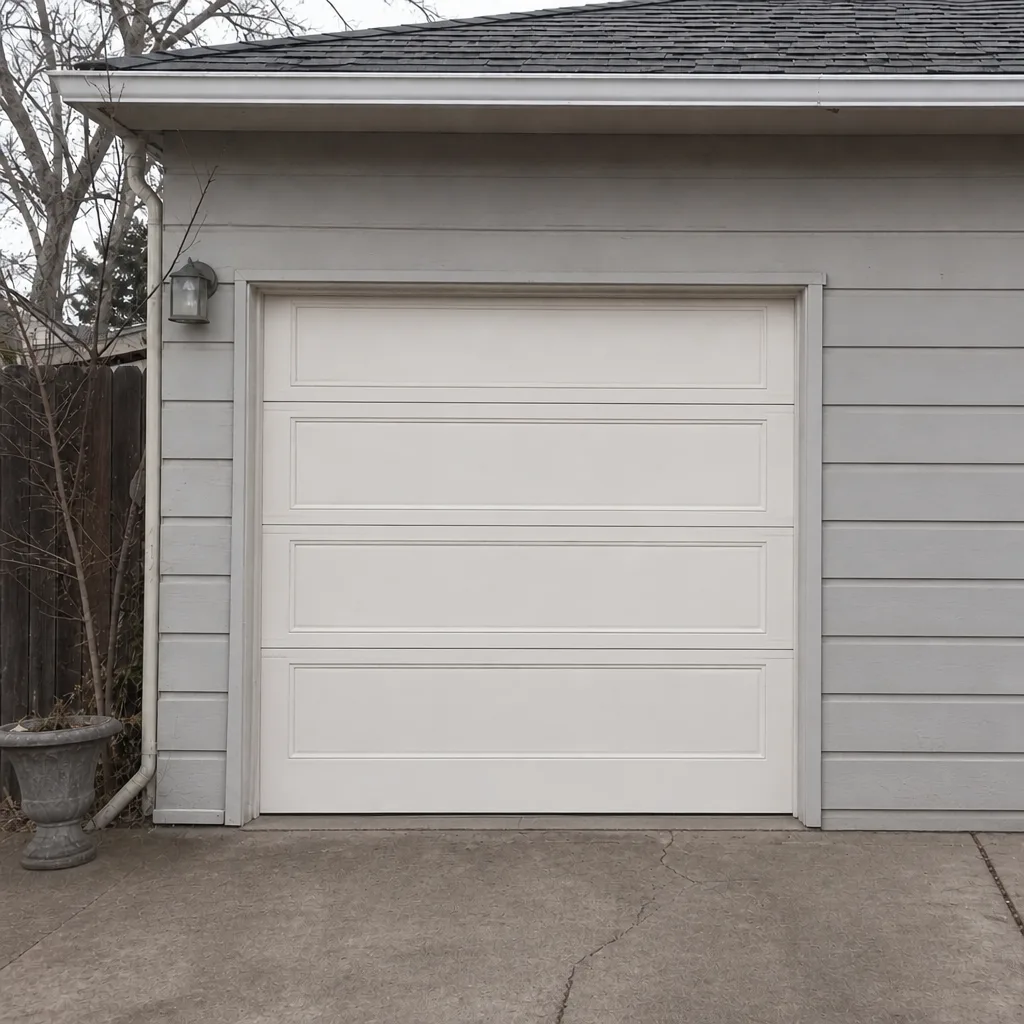
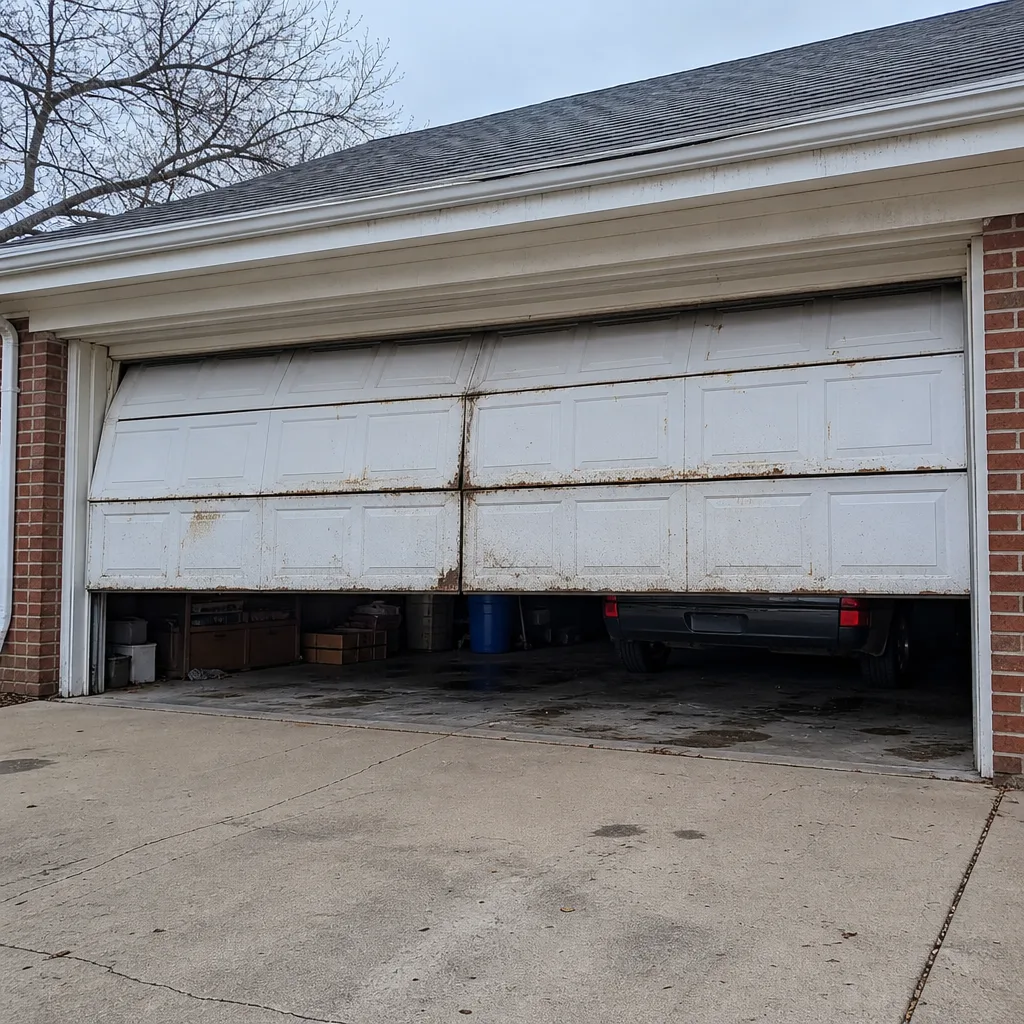
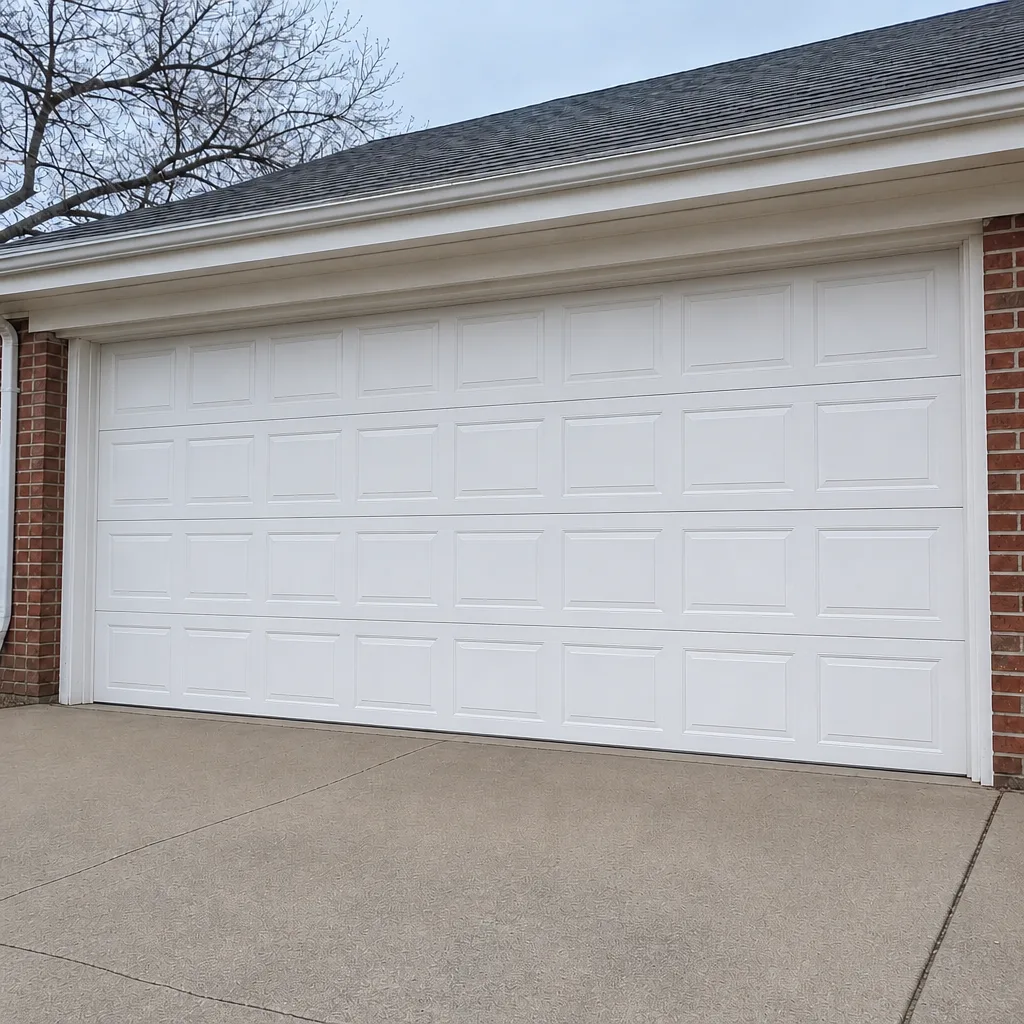
See the difference
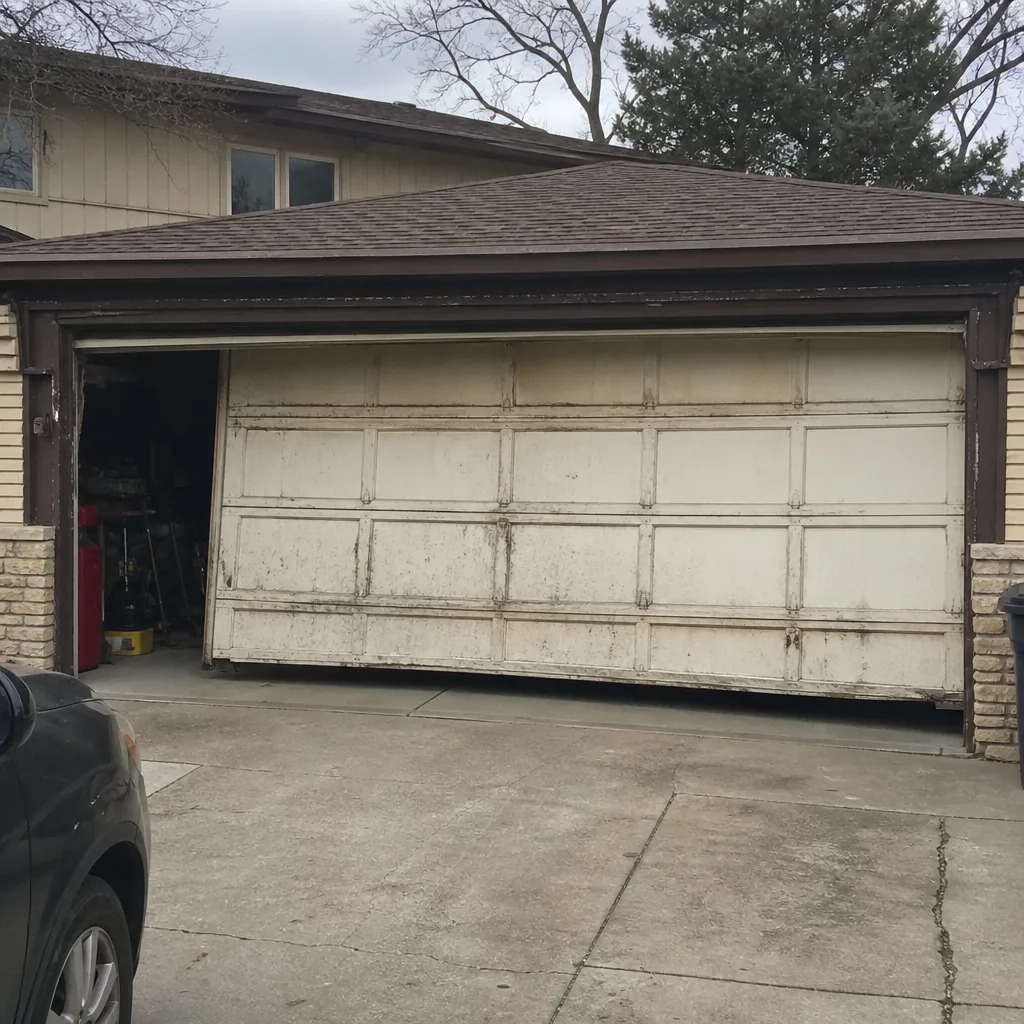 Before
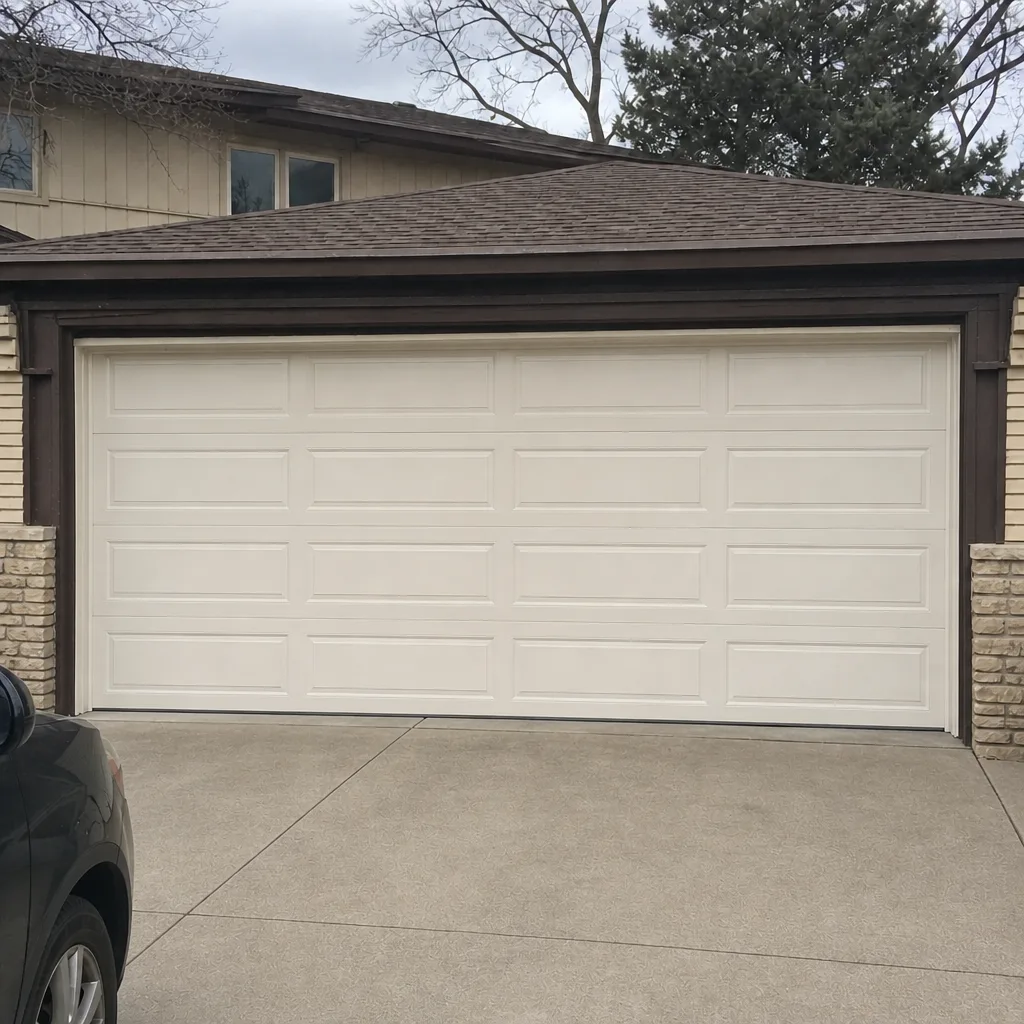 After
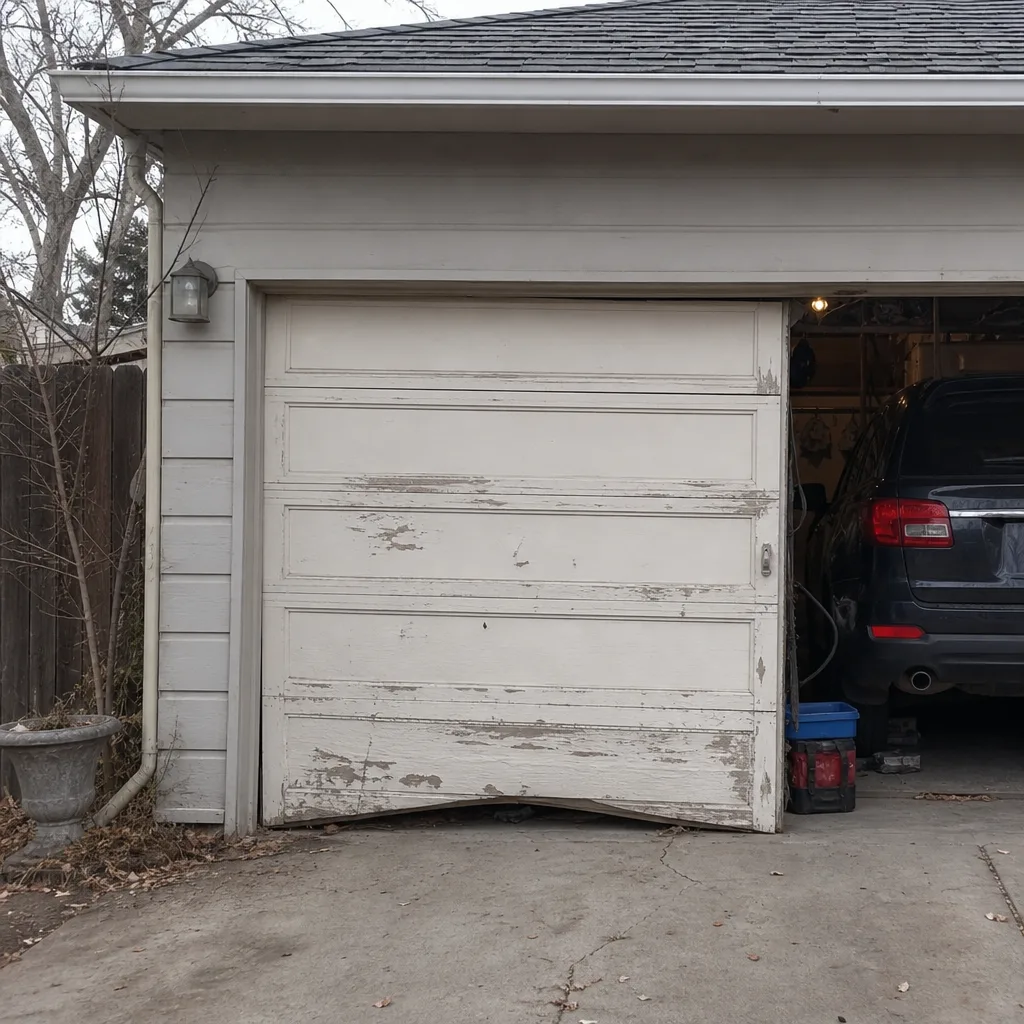 Before
 After
 Before
 After
When to Call a Professional
Call a professional for anything involving springs, cables, tracks, electrical components, or a door that’s hanging or off its track. Those are the jobs where a mistake causes injury or turns a small fix into a big one. Call us too if your door is more than a few years old and you don’t know the condition of the springs and cables – a quick assessment is worth the peace of mind before a storm season. For a straightforward power-outage situation with intact springs, you can handle it yourself using the steps above. For everything else, Garage Door Repair Cherry Creek offers free estimates in Cherry Creek – call (844) 621-5482. Our technicians have up to 12 years of experience and work on the major brands, so you get a specialist who knows your system, not a generalist guessing.
Frequently Asked Questions
Yes, as long as the springs and cables are intact. Pull the emergency release cord to disengage the opener, then lift the door by hand from the bottom center panel. Never do this if you suspect a broken spring or a snapped cable – a compromised door can drop and cause serious injury. If you’re unsure, call (844) 621-5482 and we’ll walk you through a safe check over the phone.
Look at the springs above the door. A broken torsion spring shows a visible gap in the coil, and the door will feel extremely heavy when you try to lift it by hand. If the springs look whole and the door lifts with normal effort but the opener doesn’t respond, it’s likely an opener or power problem. When in doubt, don’t force anything; call us for a free estimate.
Block the draft temporarily with a folded towel or foam strip along the bottom gap, and tape any loose bottom-seal flap up against the door so it doesn’t drag. Keep the door closed and don’t run the opener if a roller is out. Then call for a seal replacement – it’s a quick fix once a technician is out. Call (844) 621-5482 for a free estimate.
Most often the opener has been disengaged – check the emergency release trolley – or a spring or cable has failed, so the door is too heavy for the motor to lift. Stop running the opener; forcing it can damage the gears. Call a specialist for diagnosis, since the fix depends on whether it’s a release, a spring, or an opener issue. Estimates are free at (844) 621-5482.
In most cases, yes – we keep in-house parts supply to reduce wait times and avoid manufacturer back-orders. Tell the dispatcher your brand and model when you call (LiftMaster, Chamberlain, Genie, Clopay, Amarr, Wayne Dalton, Craftsman or Raynor), and they’ll make sure the right technician arrives with what they need. If a part has to be ordered, you’ll know up front.
No. Bending a panel back with a pry bar usually cracks the paint and can crack the panel itself, turning a repair into a replacement. Leave it, keep the door closed, block any gap with a towel temporarily, and let a technician assess whether the panel can be straightened or needs replacing. Call (844) 621-5482 for a free estimate.
The Bottom Line
Garage door emergencies in Cherry Creek come in two flavors: mechanical failures that need a trained technician, and power outages you can handle yourself if you’re prepared. The difference between the two is knowledge – knowing where your release cord is, how your opener brand behaves, and how to tell a broken spring from a dead opener. Spend ten minutes today on the pre-emergency checklist, and you’ll handle the next Front Range storm calmly instead of in a panic. When the problem involves springs, cables, tracks or electrical parts, stop and call a specialist. Garage Door Repair Cherry Creek offers free estimates – call (844) 621-5482 for a free estimate, and we’ll get you sorted. For a full new door when a repair no longer makes sense, our team handles garage door installation as well. And when you’re ready to book, start with Garage Door Repair Cherry Creek to reach the right team for your door.
Written by the team at Garage Door Repair Cherry Creek.