Last updated November 22, 2026
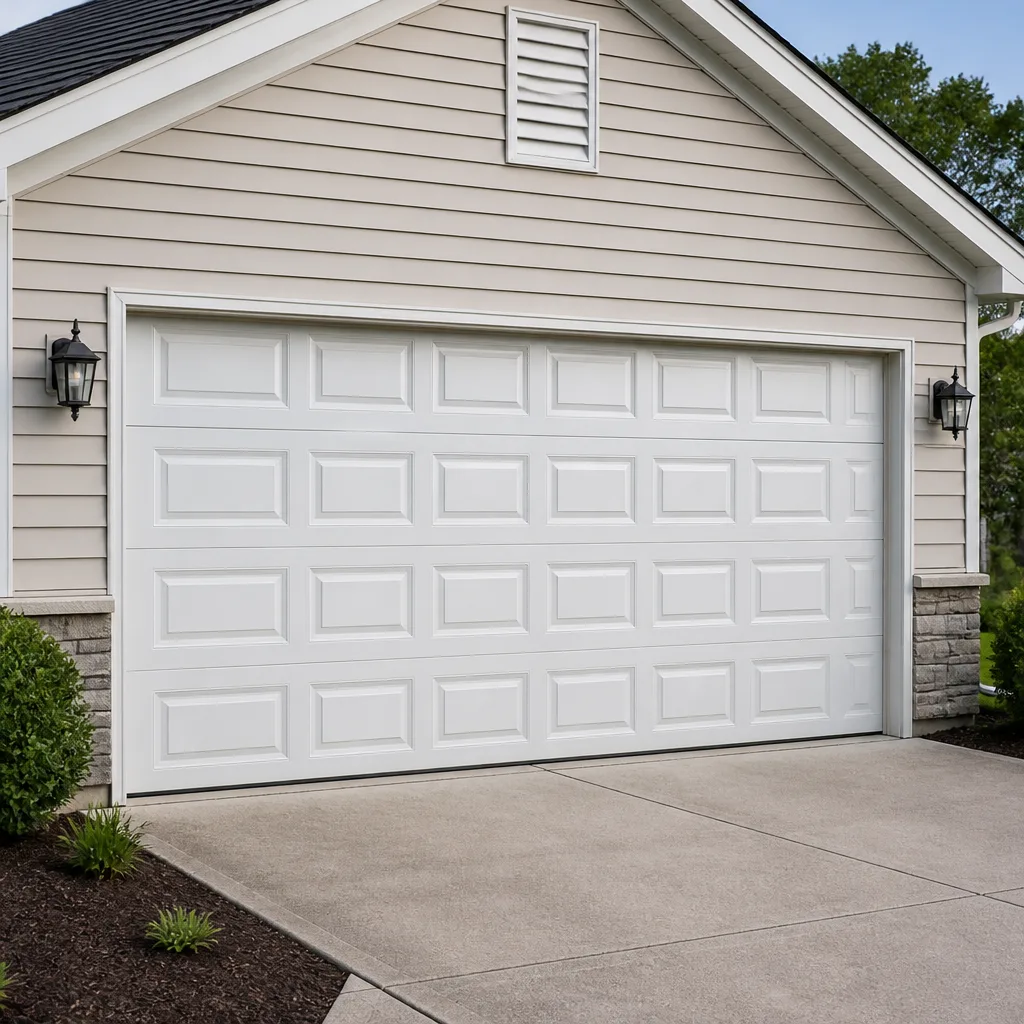 Raised-panel steel
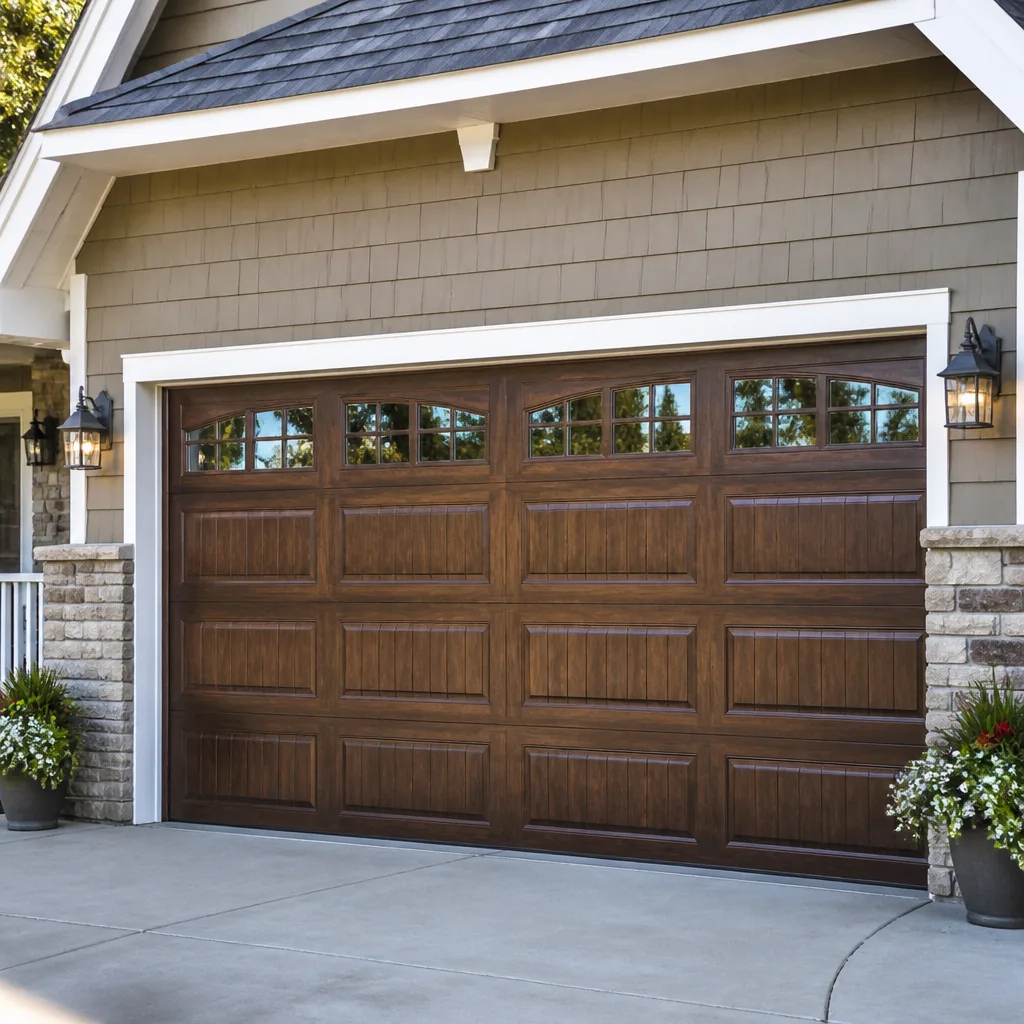
 Carriage house
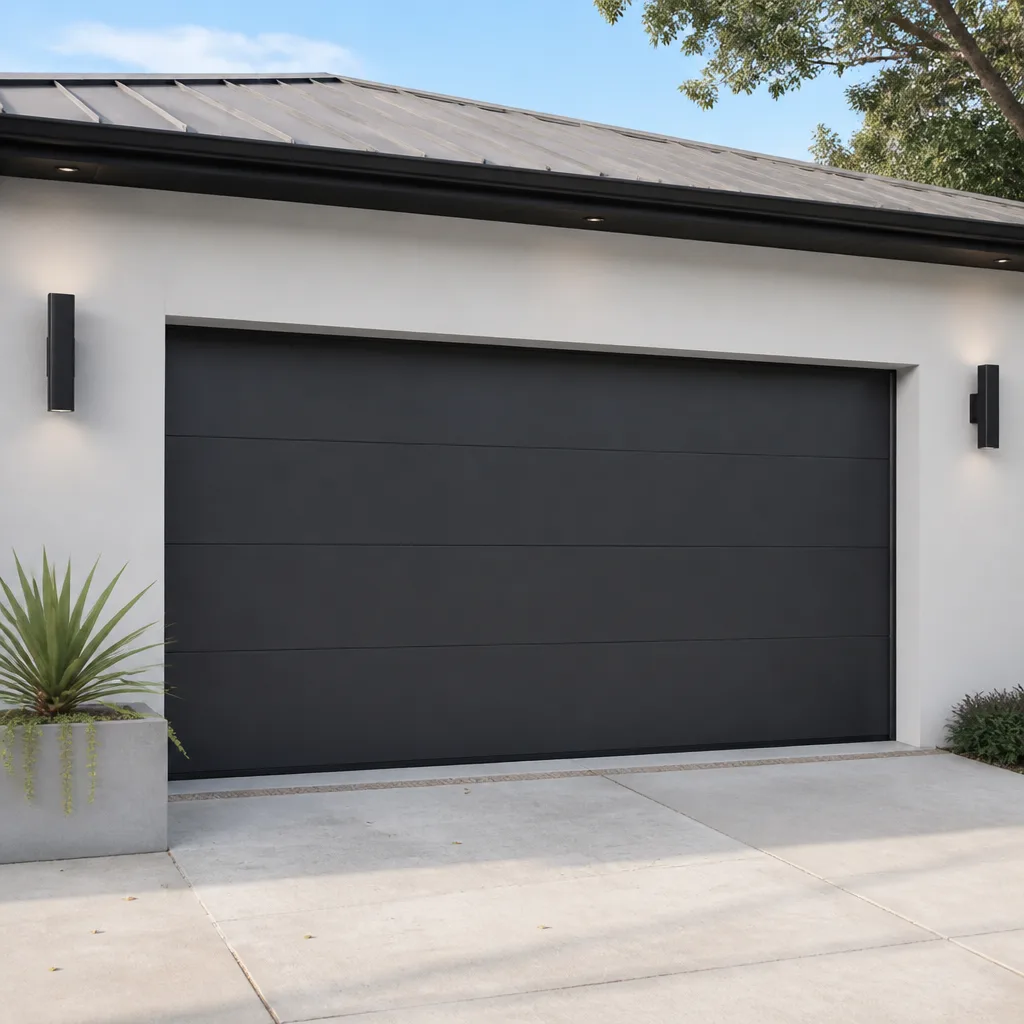 Modern flush
 Full-view glass
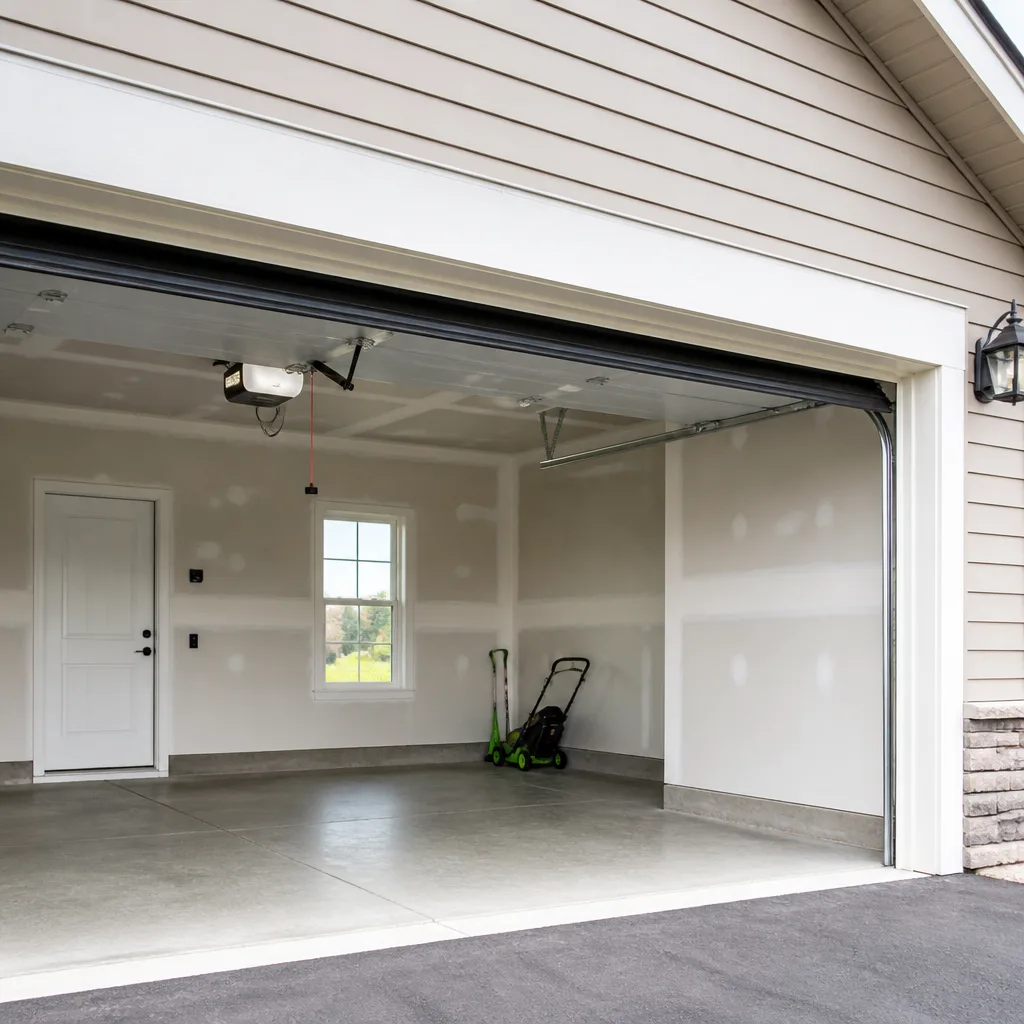 LiftMaster openers
 Chamberlain openers
Full 25-point door and opener safety check with every visit - springs, cables, rollers, tracks, and your LiftMaster or Chamberlain opener included
You get a price before we start. It does not change when the pro arrives.
Get your free estimateGarage Door Repair Maintenance Checklist for Cherry Creek Homeowners
The task most Cherry Creek homeowners skip isn’t lubrication. It’s the ninety-second cable inspection that would have caught a frayed strand before it turned into a snapped cable, a dropped door, and an emergency bill. Most maintenance checklists floating around online read the same whether you live in a beach condo or a house at 5,300 feet. Yours shouldn’t. Doors in Cherry Creek live through hard freezes, fast warm-ups, intense high-altitude sun, and spring grit blowing off the Front Range. That cycle has specific failure patterns, and this guide is built around them. You’ll learn what to check, how often, what a healthy door actually feels like, and where to stop and call a pro.
Quick Answer
A garage door in Cherry Creek needs four things every month: a visual check of the cables for fraying, a look at the torsion spring coils for gaps, a balance test with the opener disengaged, and a check that the safety reverse still works. Twice a year, inspect and treat the weatherstripping for UV and freeze-thaw damage. Once a year, lubricate moving parts with the right product for your opener type and tighten the mounting hardware. Springs, cables, and opener internals are professional territory.
Styles & brands we work with
- Raised-panel steel
- Carriage house
- Modern flush
- Full-view glass
- LiftMaster openers
- Chamberlain openers
Table of Contents
- Why Cherry Creek’s Climate Wears Doors Differently
- The 60-Second Cable Inspection You Should Do Monthly
- Reading Torsion Spring Coil Gaps Before They Fail
- How a Healthy Door Balances: The Reference Test
- Weatherstripping Patterns on South-Facing vs. North-Facing Doors
- Opener Rail and Trolley Care by Drive Type
- A Task-and-Frequency Matrix for Cherry Creek Doors
- Lubrication: What to Use and What Ruins Each System
Why Cherry Creek’s Climate Wears Doors Differently
Cherry Creek sits high enough and cold enough that garage doors here work harder than doors in mild climates. The reason is temperature swing. A door that sees 25°F in February and 65°F three days later forces its torsion springs and steel panels to expand and contract repeatedly. Every one of those cycles is a small stress on the spring coil and the cable. Over years, that adds up faster than the general “replace every 7-9 years” advice you’ll read on most manufacturer pages.
Colorado’s spring also delivers a specific problem: grit. Wind carries fine dust and sand off the open land to the east, and it settles into the tracks, roller bearings, and cable windings. That grit turns lubricant into grinding paste instead of a smooth film. In our experience, doors in Cherry Creek that never get their tracks cleaned wear rollers and cables noticeably faster than doors in more sheltered neighborhoods.
One more local factor: altitude UV. The sun here is intense. Rubber seals, plastic rollers, and vinyl weatherstripping break down quicker at elevation than the same materials would at sea level. South-facing garage doors get the worst of it. A door that faces into the afternoon sun can show hardened, cracked seals years before a shaded north-facing door down the block.
None of this means your door needs constant attention. It means the checklist that matters in Cherry Creek isn’t the same as a generic one. If you’d rather have a trained set of eyes go through it, Garage Door Repair Cherry Creek can walk the whole system in one visit.
The 60-Second Cable Inspection You Should Do Monthly
Cables are the cheapest thing to check and the most expensive thing to ignore. A frayed cable can let a door drop, and a dropping door is a genuine safety risk. This is a look-only inspection. Don’t touch the cable with your hands while the door is under tension, and never try to adjust one yourself. The tension in a lifted door’s cables can cause serious injury.
Here’s what to do, standing safely to the side of a closed door:
- Look at each vertical cable where it runs down the side of the door. You want a smooth, continuous line of wire strands.
- Watch for broken strands sticking out like a frayed rope or a bristly brush. Even one broken strand means the cable is compromised.
- Check the cable winding on each drum at the top corners. It should look even and tight, not bunched or crossed.
- Look for rust spots or a kinked section, which signal the cable is past its useful life.
- Note any slack cable sagging where it shouldn’t. Slack on a closed door is a sign something has shifted or failed.
If anything looks frayed, kinked, or bunched, don’t run the door. Call a professional. A cable that snaps under load can whip, and the door can come down hard. Our technicians handle garage door repair for exactly this kind of problem and can tell you on the phone whether it’s safe to use the door until they arrive. The spring pressure in a garage door can cause serious injury, so a fraying cable is not a job for a homeowner with a wrench.
Why monthly? Spring runoff grit and freeze-thaw cycles both accelerate cable wear. A monthly glance catches the change early, when a single cable replacement is a quick job instead of a two-cable emergency.
Reading Torsion Spring Coil Gaps Before They Fail
If there were one maintenance skill we’d teach every Cherry Creek homeowner, it’s how to read a torsion spring. This is the leading indicator of an imminent failure. It’s the first thing our technicians check on any call. And almost no homeowner learns it. The good news: it’s a visual check, no tools, no touching.
A torsion spring is the horizontal coil mounted above the door. It stores the energy that lifts the door, which means it’s under heavy tension every second. That tension is exactly why this is professional-only territory. You can look, but never adjust, tighten, or try to remove one. The stored energy can cause serious injury if released the wrong way.
What to look for:
- Coil gaps. Run your eye along the full length of the spring. The coils should sit flat, evenly spaced, and tight together. A visible gap between coils, or a spring that looks stretched compared to the one beside it, means it’s losing tension and is near the end of its life.
- Matched pairs. Most two-car doors use two springs side by side. If one has a gap and the other doesn’t, the springs are out of balance. A pair is usually replaced together, because the older spring is likely close behind.
- Rust and paint flaking. Cherry Creek’s damp spring runoff and dry winters make rust more likely on springs that don’t get any attention. Rust eats into the coil and shortens life.
- Noise change. A sharp bang from the garage, even once, usually means a spring has broken. Stop using the door and call a professional.
Colorado’s temperature swings do their worst on torsion springs. Each cold snap and warm spell works the metal, and a spring under load with an existing gap is a spring that’s ready to let go. For a matched pair, expect to replace both. A single spring price is for one spring, and a pair runs about twice that. The written estimate sets the final price, so nothing gets added after you’ve agreed. If you see gaps, garage door opener repair often comes up alongside the spring work, since a spring that’s failed can stress the opener in the process.
How a Healthy Door Balances: The Reference Test
The single best thing you can do is know what “healthy” feels like before something breaks. Once you have a reference point, any change stands out fast. The balance test is how you build that reference. It’s safe to do, but only with the opener disengaged.
- Close the door fully and pull the manual release cord hanging from the opener trolley. That disconnects the opener so a human can move the door.
- Lift the door by hand to about halfway. A balanced door should rise with steady, even effort, like lifting something on a well-oiled hinge. It shouldn’t fight you or feel heavier on one side.
- Let go at the halfway point. A balanced door should stay put, roughly where you left it. If it slides down fast, the springs are losing strength. If it drifts up on its own, there’s too much tension.
- Lower it to the closed position with a smooth, controlled motion. A healthy door moves without a grinding, scraping, or rattling sound.
- Re-engage the manual release so the opener works again.
What does unhealthy feel like? A door that thunks into the floor, feels twice as heavy as it did last year, or won’t stay put when you let go. Any of those point to spring fatigue or a balance problem. In Cherry Creek, doors tend to lose balance gradually through the heating and cooling seasons, then suddenly seem wrong on the first cold morning. If your reference test fails, it’s time for a professional look. A trained technician can tell from the balance and the spring gaps whether the fix is a simple adjustment or a spring replacement.
Weatherstripping Patterns on South-Facing vs. North-Facing Doors
Weatherstripping is the rubber or vinyl seal around the door’s edges and along the bottom. It keeps out spring dust blowing off the Front Range, cold air, and the occasional mouse. It’s also the part of your door that takes the most direct sun, and in Cherry Creek that matters a lot.
The sun here breaks down rubber fast. The pattern depends on which way your door faces.
- South-facing doors. These take direct afternoon sun. The bottom seal and side seals harden, crack, and start to pull away years before a shaded door would. Check the bottom seal for flattened areas and the side seals for cracking. If the rubber feels hard or brittle rather than springy, it’s time to replace it.
- North-facing doors. Less sun damage, but more freeze-thaw wear. Moisture works into hairline cracks, freezes overnight, and pries the seal apart. The bottom seal is the vulnerable spot, because it sits against the slab where snowmelt collects. Look for gaps at the bottom corners and a seal that doesn’t sit flush.
- East and west. A mix of both. Expect steady sun on one edge and freeze-thaw on the other.
Check weatherstripping twice a year: once in late fall before the cold sets in and once in spring after the freeze-thaw cycle has done its work. A quick test is to close the door and look for daylight along the bottom and sides. Any visible light is a gap that’s letting in grit, cold, and small pests. Replacing weatherstripping is one of the easier jobs on this list and one you can often handle yourself. For full door seals that have hardened into the frame, an installation visit from a pro can save a lot of frustration.
Opener Rail and Trolley Care by Drive Type
Most maintenance guides treat “the opener” as one thing. It isn’t. Belt-drive, chain-drive, and screw-drive openers each wear differently, and the wrong lubricant can damage each one in its own way. Knowing your drive type tells you what to check and what to keep away from it.
Belt-drive openers (common on LiftMaster and Chamberlain units) run on a reinforced rubber belt. They’re quiet, and the belt is the part to watch. Look for fraying along the edges or loose spots where the belt meets the trolley. Never put oil or grease on a belt, because it attracts grit that grinds the belt down. The belt itself needs no lubrication.
Chain-drive openers (Craftsman and many older units) run on a steel chain. Chains do need some care, but sparingly. A light application of a proper chain-and-cable or white lithium grease, wiped not globbed, keeps the chain from drying out. Too much grease collects the grit that blows around Cherry Creek and turns the chain into a magnet for grime.
Screw-drive openers (common on Genie and Raynor units) run on a threaded steel rod. It needs grease, but only the right kind. Follow the manufacturer’s guidance. The wrong product, or a dry screw, causes a loud grinding groan.
Whatever the drive type, check the trolley where the carriage rides the rail. It should slide smoothly with no wobble. Wobble means worn trolley parts. Also check that the rail is straight and the mounting bolts at the ceiling are tight. Loose bolts cause a vibrating rattle that sounds like a failing opener but is often just a tightening job. If the opener itself is struggling, our technicians know the quirks of each major brand and can diagnose it on site.
A Task-and-Frequency Matrix for Cherry Creek Doors
Here’s the whole checklist in one place, tuned to Cherry Creek’s cycle rather than a generic four-season template. The “who” column is the part most guides leave out, and it’s the part that keeps you safe.
- Monthly – cable inspection. Look for fraying, kinks, and bunched windings. Homeowner, look only.
- Monthly – spring coil check. Scan for gaps, rust, and a spring that looks different from its partner. Homeowner, look only.
- Monthly – balance test. Disengage the opener and feel the door. Homeowner, safe.
- Monthly – safety reverse test. Put a block of wood in the door’s path and close it. The door should reverse. Homeowner, safe.
- Every two to three months – track cleanup. Wipe grit from the tracks and check the rollers for flat spots. Homeowner, safe.
- Twice a year – lubrication. Apply the right product for your drive type to hinges, rollers, and springs. Homeowner, with the right product.
- Twice a year – weatherstripping. Check every seal for hardening, cracks, and daylight. Homeowner, safe.
- Twice a year – hardware tightening. Check the bolts on hinges, brackets, and the rail. Homeowner, safe.
- Annually – full professional inspection. A trained technician checks spring tension, cable condition, opener internals, and all the parts you can’t safely reach. Professional.
- Any time – a spring or cable looks wrong. Stop using the door and call. Professional.
Two of those items call for a professional, and they’re the two that matter most for safety. Springs and cables hold enormous stored energy. A technician with the right tools and a clear understanding of a system – whether it’s a LiftMaster, a Chamberlain, a Raynor, or any of the eight major brands we work on – can handle that safely. A homeowner with a pair of winding bars cannot. If you’re replacing a door or a major component, that’s a garage door installation conversation, not a maintenance one. A free measure and a written price beats a rough guess any day.
Lubrication: What to Use and What Ruins Each System
Lubrication is where homeowners do the most damage with good intentions. The wrong product in the wrong place turns a smooth system into a grinding one, and it’s hard to undo. Use the right lubricant and use it sparingly. A little goes a long way, and more is not better.
What we recommend:
- Springs, hinges, and roller stems. A proper garage door lubricant or white lithium grease. Apply a thin film, then wipe off the excess. The goal is a smooth surface, not a coating of goo.
- Rollers. If they’re steel, a light lubricant on the stem only. If they’re nylon, most need nothing at all. Nylon rollers work clean.
- Tracks. Don’t grease them. A dry track wiped clean with a rag is better than a greased one. Grease in the tracks grabs the grit that blows around Cherry Creek and turns the track into a sandpaper strip that wears your rollers flat.
What ruins each system:
- Belt-drive openers. Oil or grease on the belt. It attracts grit and shortens belt life. Belts run clean.
- Chain-drive openers. Thick grease that builds up and holds grit. Light and wiped is the rule.
- Screw-drive openers. The wrong grease or a dry screw. Follow the manufacturer’s guidance.
- Rollers. Regular motor oil, which thins with summer heat and drips onto the door. Use a garage door product made for the job.
The best way to get this right is to know your system before you reach for the can. Our technicians know the quirks of the eight major brands we work on and can tell you exactly what your opener and door need. If you’re unsure what product to use on a Craftsman chain drive or a LiftMaster belt drive, that’s a phone call worth making. The right product costs less than the wrong one and the damage it causes combined.
Common Mistakes to Avoid
- Greasing the tracks. A dry track wiped clean is the right call. Grease in the tracks collects the spring grit that blows off the Front Range and wears rollers twice as fast.
- Ignoring a single broken cable strand. One strand is a warning, not a nuisance. A cable that fails under load can let the door drop, so a frayed cable means stop and call, not “wait and see.”
- Using motor oil as door lubricant. Motor oil thins in summer heat and drips onto the door and driveway. Use a proper garage door product, and only the right one for your drive type.
- Skipping the balance test. Without a reference point, a door that’s losing spring tension just feels “normal” until it fails. Run the balance test monthly so you’ll notice the change.
- Replacing one spring of a matched pair. If one spring has a gap and its partner doesn’t, replace both. The older spring is usually close behind, and replacing one at a time costs you two service calls.
- Treating a worn bottom seal as cosmetic. Sun and freeze-thaw wreck seals faster here than in most climates. A gap lets in grit, cold air, and pests. Check for daylight along the bottom twice a year.
- Trying to wind a torsion spring yourself. The stored energy in a spring can cause serious injury if released wrong. This is professional-only work, no exceptions.
See the difference
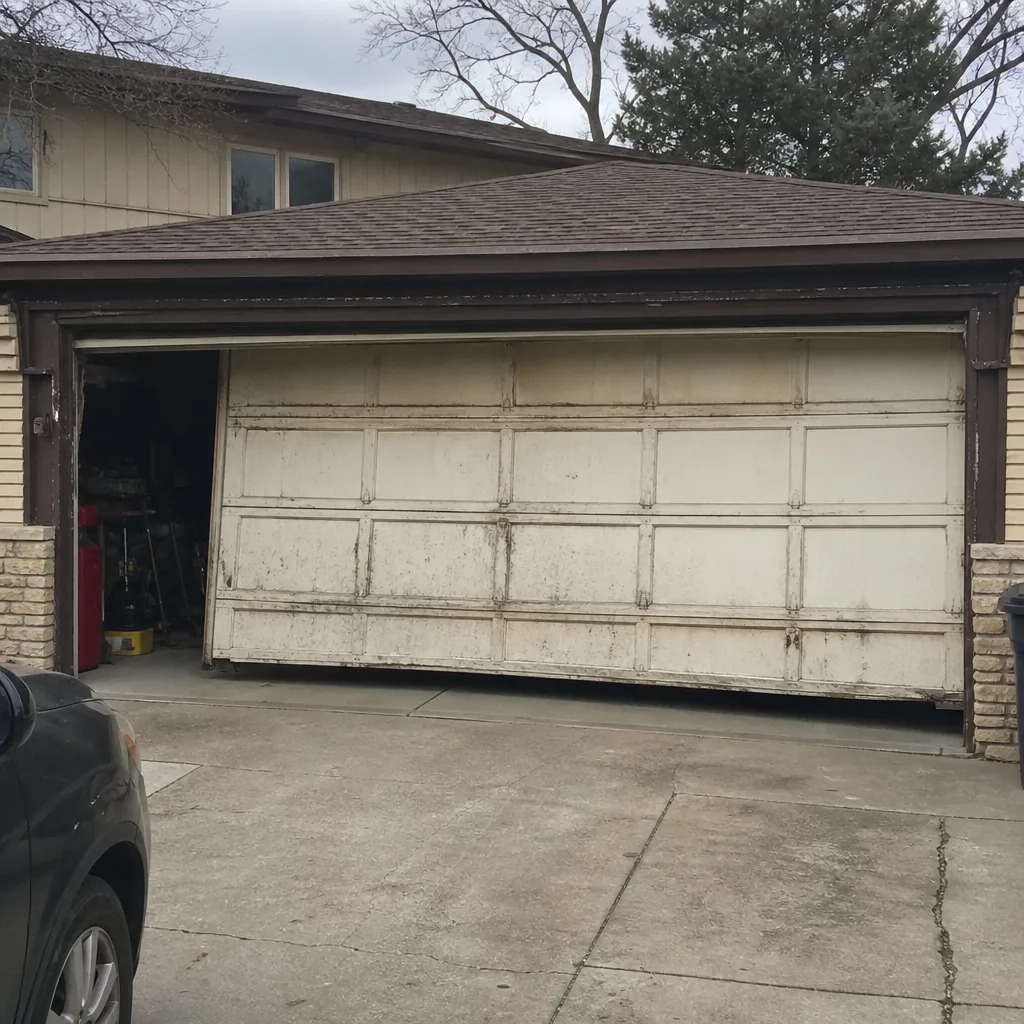 Before
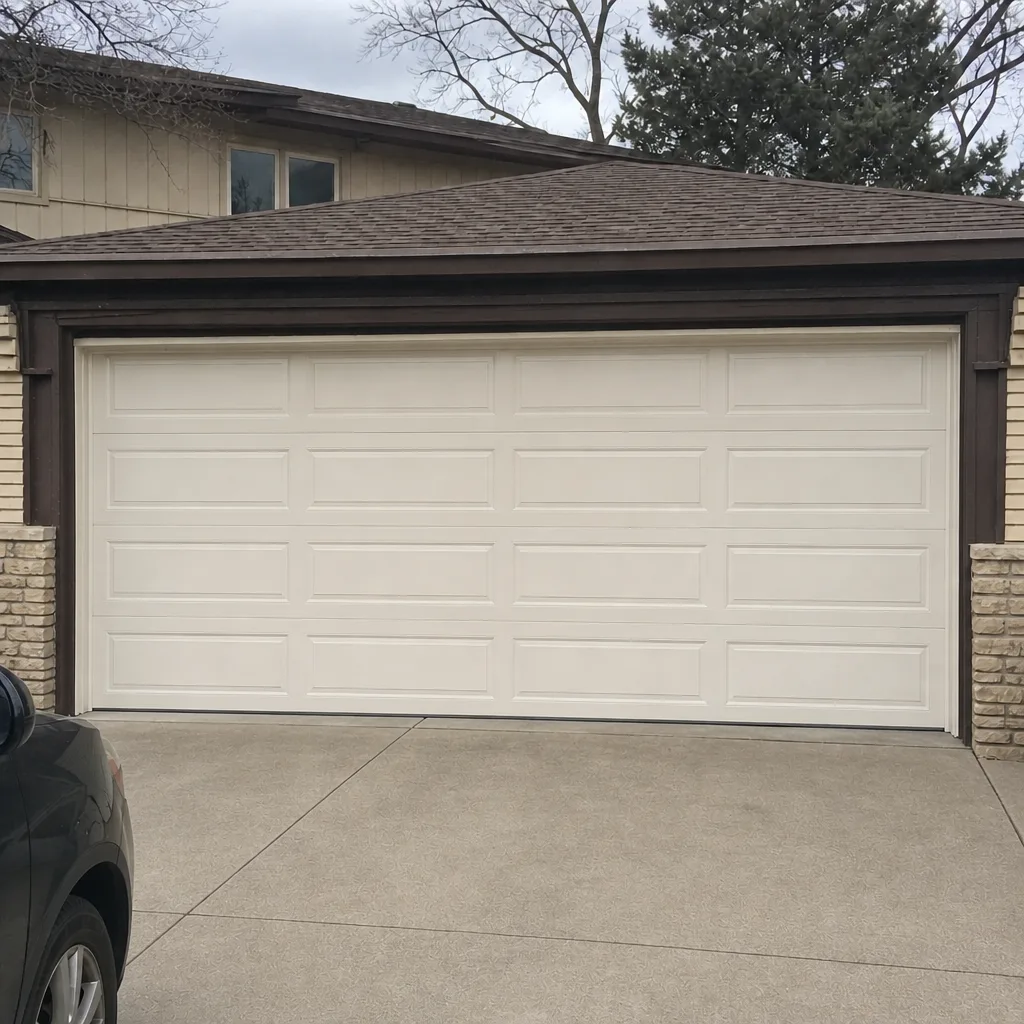 After
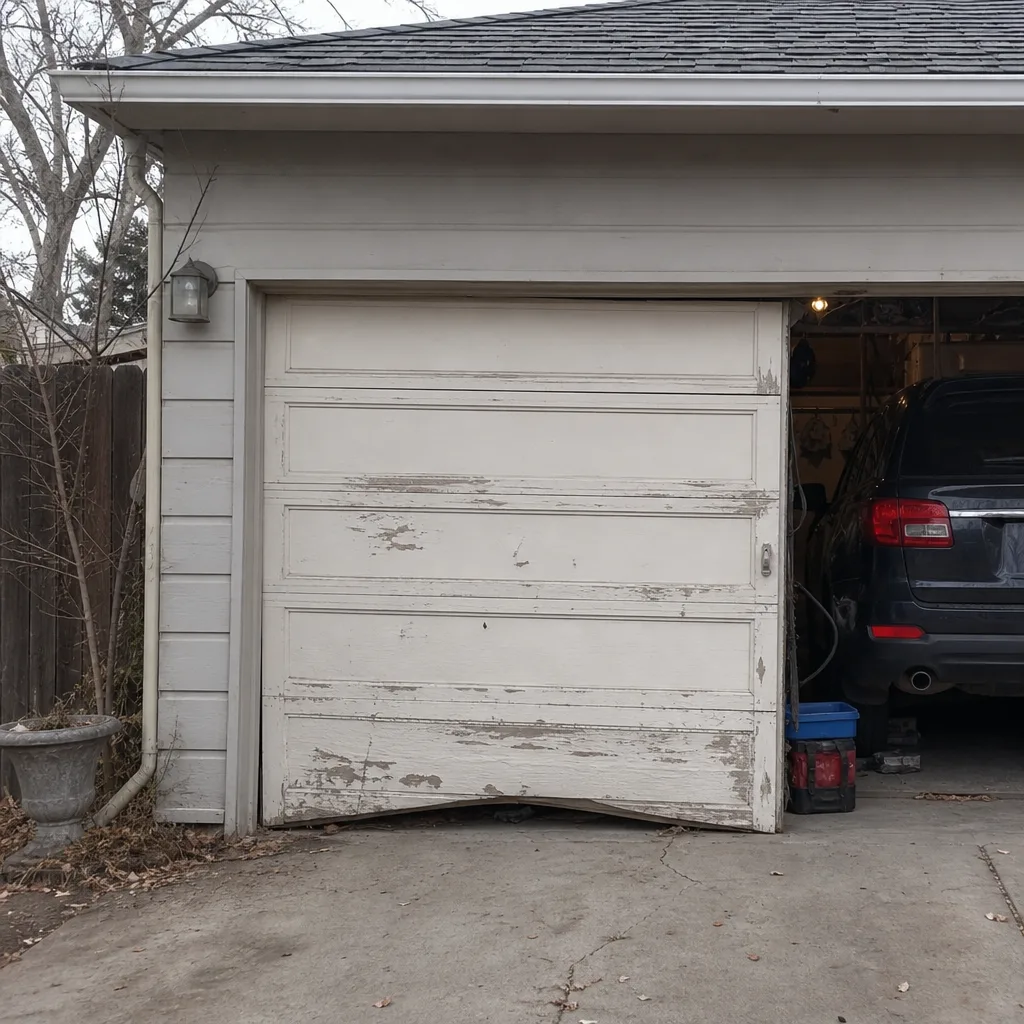 Before
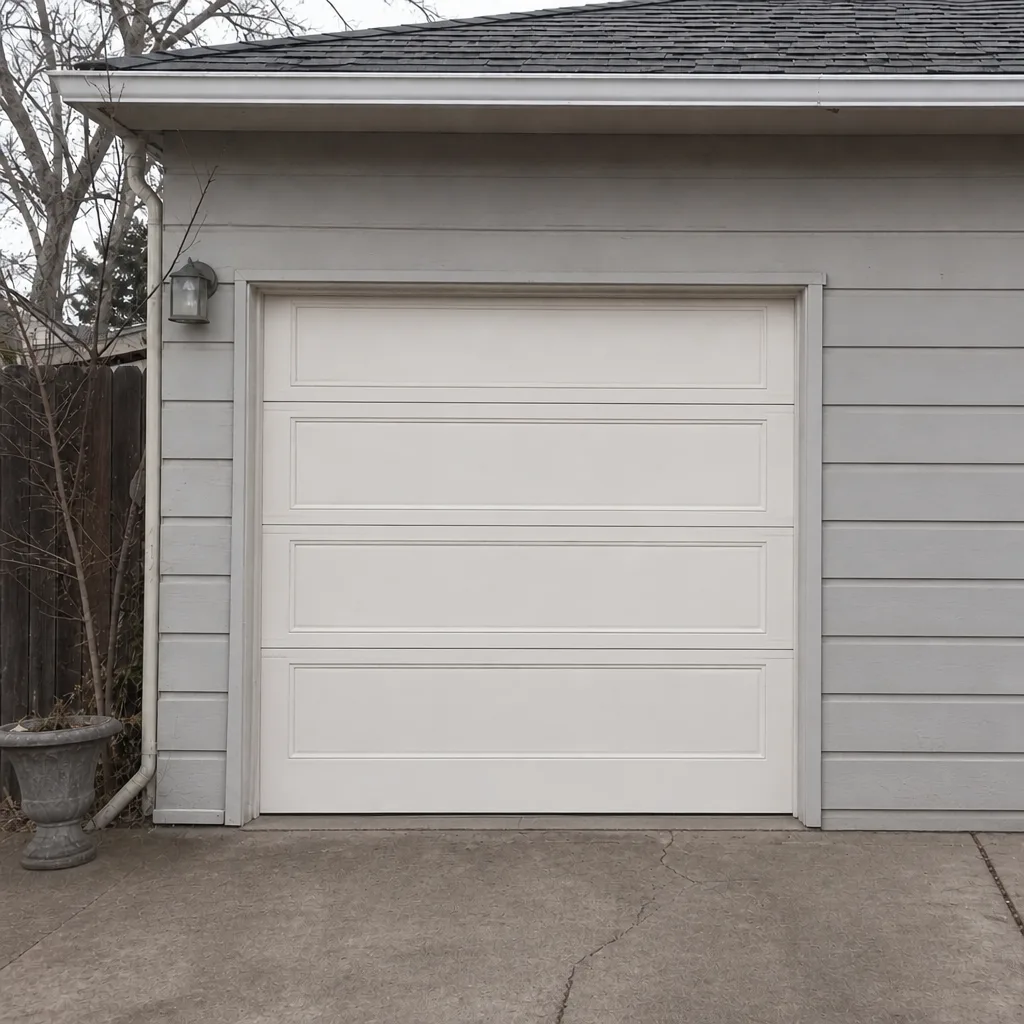 After
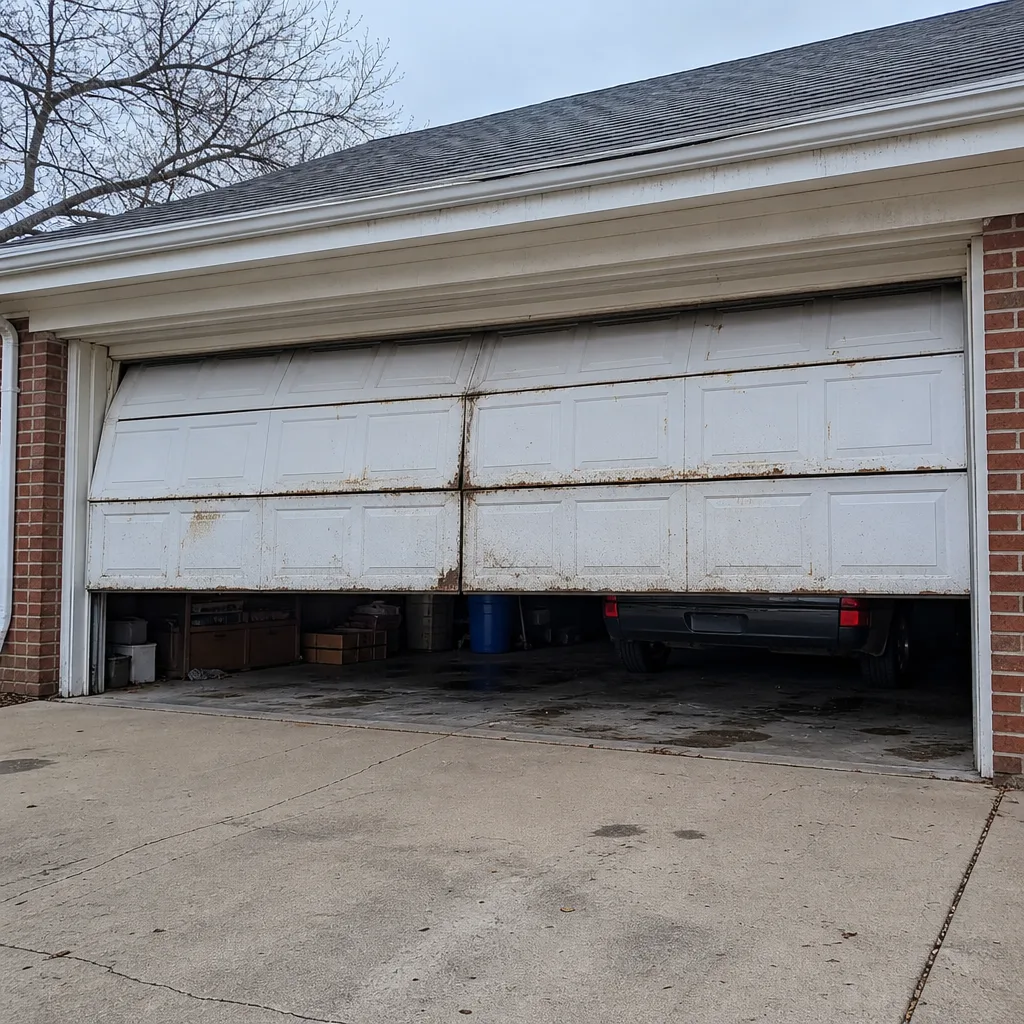 Before
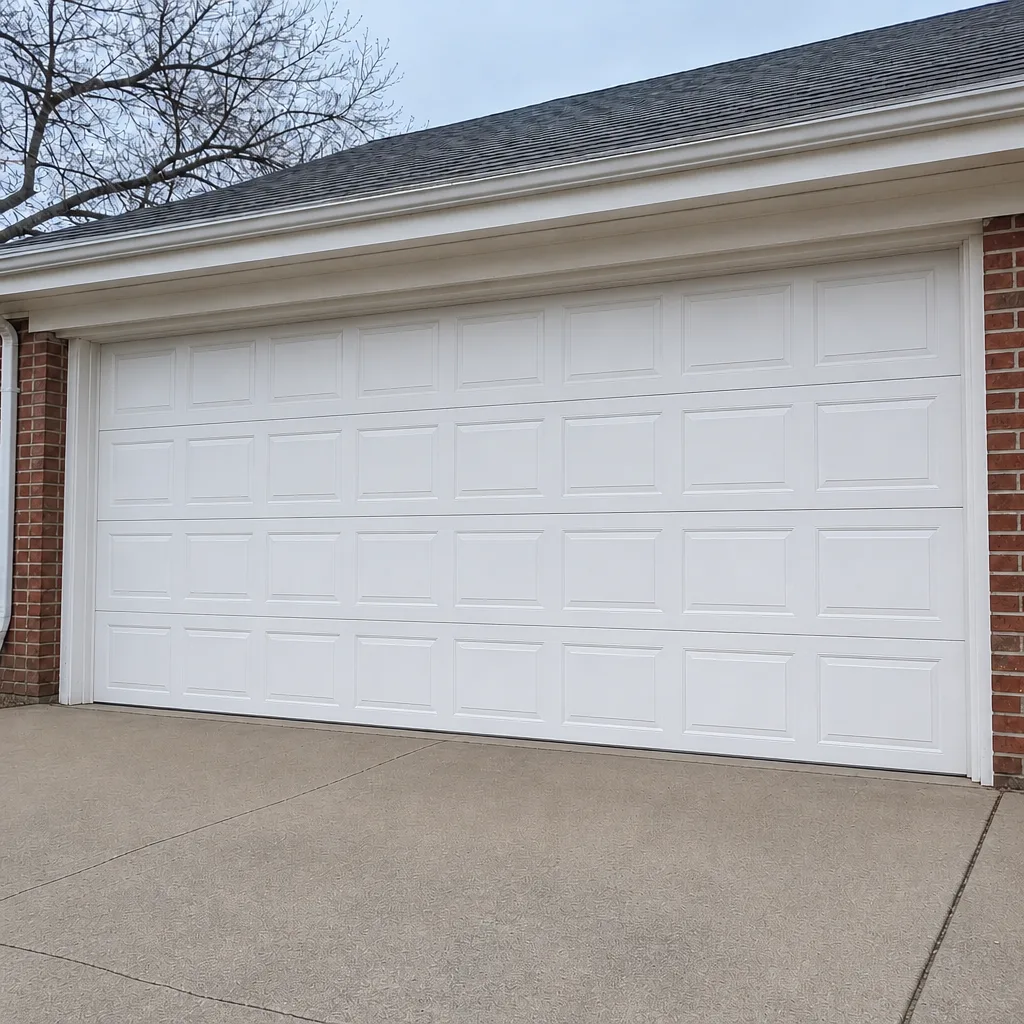 After
When to Call a Professional
Call a professional for any of these: a spring with visible coil gaps, a frayed, kinked, or snapped cable, a door that drops fast when you let go at the halfway point, a sharp bang from the garage, a door that won’t reverse on the safety test, or a grinding noise that gets worse. Also call if a spring has broken and the door feels impossibly heavy, because forcing it can bend panels or burn out the opener. Garage Door Repair Cherry Creek offers free estimates in Cherry Creek, so there’s no cost to get a trained opinion before you decide. Call (844) 621-5482 and we’ll walk the system and quote the work before anything starts.
Frequently Asked Questions
Twice a year is the right cadence for most doors here, once in late fall and once in spring after the freeze-thaw cycle. Cherry Creek doors face temperature swings that work lubricants harder, and spring grit that collects on anything greasy. Spray a thin film on the hinges, roller stems, and springs, wipe off the excess, and skip the tracks entirely. If you’re unsure what product your opener needs, call (844) 621-5482 for a free estimate.
Check the cables first, because they’re the fastest warning and the biggest safety risk. Look along each cable for broken strands, kinks, or bunched windings at the drum. Then check the torsion spring for coil gaps. If either looks wrong, stop using the door and call. These are look-only checks; never adjust a cable or spring yourself. For an exact quote on a repair, call (844) 621-5482.
You can look at a torsion spring, but you should never touch, adjust, or remove one. The spring stores heavy tension every second the door is down, and releasing it the wrong way can cause serious injury. A visual check for coil gaps, rust, and a spring that looks different from its partner is safe and useful. Any repair or replacement is professional-only work. Call (844) 621-5482 for a free estimate.
South-facing doors take direct afternoon sun, and the UV intensity at this elevation breaks rubber down fast. Bottom and side seals harden, crack, and pull away years before a shaded north-facing door would. North-facing doors aren’t off the hook either, since freeze-thaw cycles pry at cracks overnight. Check both kinds twice a year for a hard or brittle feel and daylight along the bottom.
No. Our prices are quoted and agreed before any work starts, and the written estimate sets the final price. We’d rather tell you upfront what the job involves than hand you a surprise after it’s done. A spring pair costs about twice a single spring, since they’re usually replaced together. For an exact quote on your door, call (844) 621-5482.
Yes. The local professional who arrives is licensed and insured as their state requires. Our technicians have up to 12 years of experience, and they’re trained on the eight major brands we handle. If your door is a brand we know well, the technician arrives already familiar with its common failure points. Call (844) 621-5482 for a free estimate.
The Bottom Line
The maintenance tasks that matter most in Cherry Creek aren’t the generic ten-point list. They’re the monthly cable and spring checks that catch failure early, the balance test that gives you a reference point, and the weatherstripping care that Colorado sun and freeze-thaw make necessary. Do the safe checks yourself, use the right lubricant for your drive type, and leave springs and cables to a trained technician. Our technicians have up to 12 years of experience and handle the brands you own. If anything on your checklist turns up a problem, call (844) 621-5482 for a free estimate. The written quote comes first, and the price doesn’t change after you agree. That’s the whole approach.
Written by the team at Garage Door Repair Cherry Creek.